
Episode 58: Medical Advisor Behind America’s Biggest Pro & Action Sports Teams - Dr Sean Drake
By Joshua Roberts - Updated on 12th February 2026

In this episode of The PEMF Podcast, Andy sits down with Dr. Sean Drake — known as “The Athlete’s Doctor” to explore how PEMF and stacked modalities are transforming elite performance.
Working with athletes across the NFL, NBA, MLB, PGA, X Games, Nitro Circus and UCI BMX World Cups, Dr. Drake shares how his approach goes far beyond “recovery.” Instead, he focuses on resilience training using PEMF, breath work, oxygen therapy and neurology-driven protocols to optimise the nervous system.
We dive into why he uses both high and low intensity PEMF systems, how he structures pre-competition protocols, and why breath work is his number one non-negotiable intervention. This is a deep conversation on stacking modalities, nervous system regulation, and what elite athletes are really doing behind the scenes.
Key Points
• Dr. Drake’s journey from track athlete to working with elite professional sports teams
• Why he uses both high-Gauss and low-Gauss PEMF systems for different outcomes
• “Resilience training” vs the traditional recovery mindset
• How nervous system state dictates protocol selection
• The role of breath work as the foundation of performance
• Stacking PEMF with oxygen therapy, sound therapy, cryotherapy and laser
• How extreme sports athletes require neuro-emotional regulation alongside physical rehab
• Gender considerations in athletic protocols
• Why elite athletes are driving PEMF adoption within professional teams
• The future of nervous system training and the Freak Athlete app

About us
We’ve spent over a decade specialising in PEMF therapy, it’s not just part of what we do, it’s all we do. Our mission is to make PEMF accessible and understandable through honest education, transparent comparisons, and independent insights.
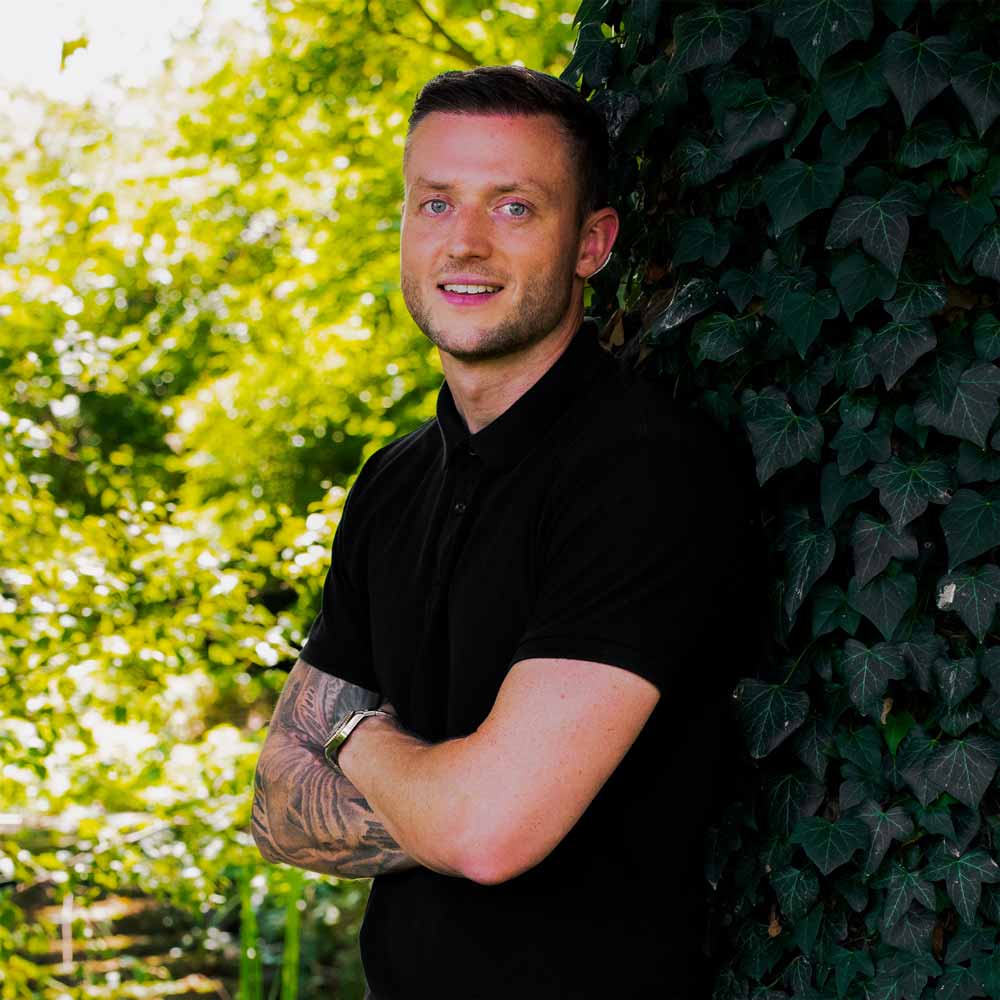
Meet The Guest - Dr Sean Drake
Dr. Sean Drake is a performance specialist working with elite athletes across major professional sports, including NFL, NBA, MLB, PGA, X Games, Nitro Circus and UCI BMX. Known as “The Athlete’s Doctor,” he integrates PEMF therapy, breath work, oxygen protocols and functional neurology to optimise nervous system performance. His clinic operates as an optimal health performance centre focused on building resilience rather than simply managing recovery.
Follow Sean on Instagram: https://www.instagram.com/drseandrake/
Modern Athlete: https://moderneathlete.com/

Meet Our Host - Andy Smith
Andy Smith is the founder of NewMed and CELLER8, and the driving force behind The PEMF Podcast. After more than a decade working at the forefront of Pulsed Electromagnetic Field (PEMF) therapy, Andy wanted to create a space that went beyond marketing, somewhere to explore the real conversations happening in wellness, longevity, and recovery. His passion for the podcast comes from years of seeing how much confusion and curiosity surrounds new technologies like PEMF. Through open, science-led discussions with researchers, athletes, and innovators, Andy aims to make complex topics accessible helping listeners understand what’s hype, what’s real, and how these tools can support a balanced approach to better health and performance.
The Audio
Prefer to tune in on the go? The PEMF Podcast is available on all major audio platforms, including Spotify, Apple Podcasts, and Google Podcasts. See all here.
The Video
Catch the full conversation with Dr Sean Drake over on our YouTube channel. Subscribe to The PEMF Podcast to see every new episode as it drops, along with behind-the-scenes clips and highlights.
The Transcript
Andy Smith 00:00
A quick disclaimer before we begin, the PEMF podcast does not contain any medical advice and the content provided is for informational purposes only. If you have any health concerns, please visit a healthcare professional. Welcome back to another episode of the PEMF podcast. Today's guest is an extremely experienced figure in the world of sports, performance and injury recovery. Dr. Sean Drake, also known as the athletes doctor on Instagram, Dr. Drake has worked with elite athletes across the NFL, NBA, MLB, PGA and even high-impact sports like the X Games, Nitro Circus and UCI BMX World Cups. We'll be talking about how he's using complementary therapies like PEMF and many more to help his athletes get the most from their recovery and optimise performance. But for anyone who may not know you, if you don't mind just sharing a little bit about your background, your education and how you end up working with some of the world's top athletes.
Dr Sean Drake 00:56
Yeah, well, thanks for having me on the show. Andy, I've been following you guys since you started. I think what you're doing is amazing. You know, to me, it's, there's multiple aspects to human body, right? So as a military kid, all around the world, I went to a lot of schools in very few years, we ended up running, walking down to Florida State's track and field program. And I got injured, I got a car wreck. And that led me to chiropractic. And I talked about this a lot about, hey, you know, how did I get into the modality world? And, you know, we'll get into that during this podcast. But it was through the evolution of feeling myself and finding things that actually worked with me, that really helped me advance where we go, where we're at in this clinic right now, and how I help my athletes stay on the field longer, and more importantly, how to life after the sport.
Andy Smith 01:46
Oh, cool. Okay, so let's jump straight into the PEMF for this one, and then we'll talk a little bit more about what you're doing kind of on top of that. But when when did your PEMF journey start? You know, when was the first time you heard of it? When did you come across it? And why did you then decide to start using it on on your athletes? So first,
Dr Sean Drake 02:07
Um, yeah, I was, I was in a master's program for sport, injury management performance. And, you know, as a life university, you know, we were working with Kennesaw state and a bunch of other different programs and rugby. And, you know, I got, I got frustrated with healing times, you know, and getting guys back. And so I started to do a ton of research and, you know, my dream was to be an astronaut and at the end of the day, I was like, all right, well, you know, let me look at what like NASA they're doing to make sure that there's like the ability to not break down in space. And that's where I came across some papers talking about PEMF with bone density and astronauts and how they're actually using that pre, during post to make sure that they can have longevity in space and out of space. So I started looking into PEMF and I got introduced to Oscar, which is a portable like travel unit, it's a low gout system. But I was like, okay, can this thing really even work right for pain or discomfort? And so when I was a titles performance Institute, you know, we had to deal with them, they were right there in Carlsbad. So I went down and I got one. Um, but prior to that, I started looking at a lot of high gout systems, um, because when you look at like, you know, increasing bone fracture, or you're looking at nervous system function, and I'll talk about nervous system later. Cause I came onto that, but looking at like muscle recovery, starting to see a quicker response as we started to play with different units. And so that's really kind of how I got into the PEMF world.
Andy Smith 03:34
Okay and what are you using now so what what devices are your call upon devices and do you consider them low intensity or high intensity cycle.
Dr Sean Drake 03:45
You need both, right? I think there's such this misconception of like, Oh, one's better than the other. And, you know, I talked about this a lot, especially with me training, right? Like, I'm training for an ultra man and half Ironman next week. I use high Gauss for myself when I'm looking at, okay, I don't want to put as much time on the road right now. I've got tons of clinic hours, I'm traveling, I just got back from the biohacking conference. So I'll actually use the high Gauss system to charge my body to use it as exercise for maybe an hour and a half to two hours. So I'm getting that, that high energy of working out without having to put a lot of load on my body. But then I'm using low Gauss system at the end of the night to help me recover so I can be on it for a longer period of time. So you got to look at when you're looking at PEMF, one's not better than the other, right? It's like, what is your goal on what you're trying to accomplish with that system?
Andy Smith 04:38
Yeah, no, that's great. This is what we try and drill in all the time because it's a good combination to use, you know, both low and high. So do you and when you're using the systems like if you're using them on yourself or on athletes, are you using it as more of a recovery tool or are we talking more about increasing performance?
Dr Sean Drake 04:59
So I'm just going to go ahead and say it. I do not like the word recovery and here's why. I think it's really important that we put this out and this is, this is where I'm going with our clinic, right? If you're constantly trying to recover, are you truly training correctly? And so when we look at this, I almost, it's resilience training, right? So even when you're quote, recovering, you're in a training system. So if you get out of the mindset of, Oh man, I beat the crap out of my body and now I've got to go get on this to recover. Well, instead, what if you put your training, whatever it's going to be, and then know that whatever modality you're using is still training. So for instance, right? Like I use pole centers in our clinic, uh, right now in high gals, I have their XL pro. And the reason that I'm such a fan of that system currently is that you're able to literally switch in between frequencies from a very high power to a low power with higher speed. So if I'm, instead of saying like, Hey, like you come into me and you're like, Sean, you know, I just, like, what's your sport Andy?
Andy Smith 06:09
Um, if I had to name a sport, probably be boxing as the one I've done the most of.
Dr Sean Drake 06:14
Okay, awesome. So I had an amazing boxer end of the day and Matt Thomas, a good buddy of mine, Atlanta, he does chest boxing. So if we're talking boxing, right? And we're like, Hey, I just went into a really like hard impact. My wrists are sore. This is going on. I don't really care about where the pain is. I want to know subjectively, okay, where are you at on exhaustion scale? Well, if you tell me, dude, I'm just burnt. Okay, I need to put more energy into your body. So I may use a higher gap, like a higher power at a lower like speed to just get a lot of energy in you to bring you back up from a nervous standpoint. If you come into me and you're like, you just had a great workout, but you're like, man, I'm charged up. Like I, you know, like we just, we just, you know, had a match and like, you know, for baseball and we had a game and you fricking pissed and you, now you're all ramped up. Maybe I'm going to put you on the PEMF on like a 7.8 or 8.8, go longer for a little bit of time at a lower intensity over a period of time to bring the nervous system down. So it's really learned how to use the modality for the nervous system more than necessarily for what you feel.
Andy Smith 07:20
So you're really tailoring to, you know, what they're coming through the doors for. So it could be a combination of injuries, performance, bit of both, is that.
Dr Sean Drake 07:31
it's always performance, right? Even if you're injured, no, it really is. Like if we think about life, right? It's a good way to look at it. So many people get in this mindset of, oh, I'm injured. I can't do anything. That hurts me, dude. Like no, no, no, no, no, no, no. Okay. Let's say you tear ACL. I can work your butt out just as hard as you did in the gym, using modalities and using different systems in neurology to help you expand your ability while you're healing, right? I tell people when they come in my door and they're like, dude, I had a UCL tear or I had a knee injury or I had a concussion or I have whatever injury or diagnosis they want to say they have. I'm like, no, you have a limitation. There is a limitation in your body, in your system, in your mind, in your soul. If I can take that limitation and now start to improve it, you're going to not only heal faster, right? Like, you know, the thing Trevor Hall says, you know, Trevor Hall is the artist. No, no, I don't. Sorry. You got to listen to a song. This called, you can't, you're healing, right? Which I love. I play for a lot of my guys that are in their heads are broken down. They're depressed. But what I do say is that if you can learn how to move the energy in the body, you can heal faster.
Andy Smith 08:44
I mean it's a great way to look at it so is there also a sport that you see predominantly because you spread yourself across like a number of different sports and is there one that you see most of using the PEMF so like are you getting like 80% boxes using it or you know or in the NFL or is it is there one that particularly benefits the most or I'm gonna
Dr Sean Drake 09:10
to take the real answer of what my gut sets, right? Like life is a sport. So it's not the ones using more than the other, right? Like there is more systems in MLB now because my guys came to me and they started recommending them to the teams. Teams are now getting, teams are asking me to say, Hey, how do I actually use this thing? Um, and, and that's trickling into a lot. Like here's the thing is when I got into like PEMF and my guys started using them, my guys started buying them because it's part of my protocol. I'm like, Hey, you need to do this before the game, this after the game, you do this, if you're injured, you do this, if you've got a brain concussion, you do this, if you got blind. Well, they started demanding, Hey, I want this in the clubhouse or Hey, I want this at the field or Hey, I want this on the road. So if you're going to see these systems and there's different companies, right? Like certain, you know, ATS or PTs or, you know, performance directors have relationships with different companies. And there's been other, there's been a lot of different companies like, you know, there's Magna Wave, there's Hugo, I can go down the list. I've owned them all like, and I still have all the systems.
Andy Smith 10:13
So yeah, no, same here. Got a collection of them now.
Dr Sean Drake 10:17
But here's the thing is like, there are different systems might need a different guy's needs differently. Like some guys are like, Hey, I don't like this system, but they love another system. And so to me, it's like, I've got to meet the athlete where they are. And that's why I use a lot of different things in here. But at the end of the day, I will say this, if you're a quote, human on this earth, and you're trying to live your best life. PEMF is one of the number one things that I tell everybody to do it because you've got to have energy. Number one, you've got to have the ability for the cells to be able to get rid of waste, you've got to make sure that they're, you know, excited, you got to make sure they can respond and react. So at the end of the day, PEMF is always in every one of my care plans, people like, oh, he just put me on this modality. And then I'm like, and then I do this, and I do this. And, you know, what are you really doing? And that then these, they're like, holy crap, after like three to six visits, they're like, dude, my sleep's better. I'm actually like, I'm feeling better. My clarity, I have clarity. My digestion is better. Holy crap, my HRV is better. Whoa, my SPO2 is better. And so like, it just goes
Andy Smith 11:27
And that comes for a good question, actually, like, are you able to track those things so because with PEMF, especially low intensity, you know, a lot of the time people can't feel anything they don't know, you know, other than anecdotally sleep better or they got more energy throughout the day and things like that. Are you able to track this using PEMF and, you know, different ways to track it? Do you track it for your athletes and what are you seeing the differences in? So two things.
Dr Sean Drake 11:52
on that I think when you're so out of touch with your body and I think a lot of people are right like they've got a lot of emotional stress inside their body they're holding on to a lot of things like if I get on a low-gal system I can feel the energy right I know you probably can too like it's becoming in tune with who you are and where you're at and so a lot of people like oh man I bought a Beamer I bought you know a low-gal snap from another company like a higher dose or whatever and I just don't feel anything or like a bio mat or whatever there's there's tons of them out there um I know if I don't feel anything and I'm like and that was me by the way so I had when I got into low-gal I called BS on it I'm like there's no way this works I don't feel anything like this is ridiculous um but what I started to really play with is looking at my HRV and I started looking at my classes schemas so I think if you're gonna look at your life adding modalities you've got to get a DEXA scan number one it's gonna look at your bone density your visceral fat your normal muscle tissue and your lean muscle tissue so me it's one of the gold standards if you're really looking at if you're gonna track your body over a period of time and this is really where power comes at a play of consistency like if you buy a low-gal snap and you don't use it consistently throw it away or give it away yeah because you've got it like there's a thing is you're such a if you're buying a mat for a problem you're already at such a low level you got to build that that you know building it up to build your batteries back into a decent shape then once you're there you may need less on the mat but now you're back into that homeostasis
Andy Smith 13:34
Yeah. I mean, you're a massive advocate for PEMF, which is great. You know, we've seen a bunch of your videos talking about the benefits and, you know, just opening this podcast. You're singing its praises. But do you think there's a time where PEMF is going to become standard practice in professional sports? Because we're seeing it more often now, but maybe it's, you know, maybe it's you think, yeah, it's because
Dr Sean Drake 13:57
But here's the thing. It may not be standard practice in the clubhouse, but it's standard practice in the hotel room with the best of the best. You know what I mean? Like at the end of the day, like the team has a piece of it, right? And I think a lot of like, and you know, there's some, you know, I'll give it, I'll give a shout out to Brandon McDaniel with the Dodgers. Like he's phenomenal. Like he has done a great job at being open-minded. So so many different things, right? You got, you know, Neil over at the Cubs. You've got Max and Ryan over at the Diamondbacks. And you've got Larry up at the, you know, who's a strength coach and a body worker, but is up at the Yankees. And I can go down the list of so many amazing individuals in MLB, right? You've got over in Buffalo, like the AT over there with Von Miller, like, you know, Von is probably one of the most adapted athletes, you know, I've ever had the chance to, you know, consult with and talk with, and he's got a SAC summit coming up for the NFL in three weeks. And you better believe that when I build out activation rooms for these big events, PEMF is a massive part of it. Because these guys, number one, they need to feel, they're getting beat on the fricking, you know, field every day, just like rugby. My rugby players love PEMF because they can, they, you know, they get this sensual feeling so they can connect and then they can let go. So like you're getting hit, hit, hit, hit. Well, what I can do is I can use that PEMF to almost like, basically, if you really think about it, recreate that trauma effect for a second, get them to feel it and then bring them into a lower energy. And then now they're like, oh, I can just relax. So we're getting that emotional and that, you know, built up like stress energy out of their body.
Andy Smith 15:45
Yeah, and it actually is quite interesting what you said about the the players seem more keen to get it themselves get them in their homes and that sort of thing and we see that in the UK as well you know we actually have quite high level football players rugby players boxers contacting us directly which we find is a bit weird you know you think well. Why is it Manchester United football club contacting us but you know we we sold a device to Christiana Ronaldo so it's. And delivered it to me I personally which is which is strange but do you think there's something possibly holding the clubs back from from PEMF is there anything in your mind that maybe. Would help his adoption into these into these clubs.
Dr Sean Drake 16:27
Well, can I take it out of PEMF for a second? Yeah. Cause here's, here's the one thing you have to understand and respect about pro teams and at the end of the day, the athletic trainer is the gatekeeper of the medical facility, right? We have our medical director, we have our performance director. You've got your athletic trainer, your PC, your Cairo, your ACU, or any other person that's going to be part of our need that at the end of the day, a lot of the teams are, you know, pigeonholed by budget. And so they only get one year of a budget cycle. And so they've got to really work with like, okay, number one, like, you know, Boston, they want to have a system. They want to have all this stuff, but the actual stadium itself, there's not enough room within the area that they have a current, right? So when you're looking at bringing modality into a pro team, and I consult for a lot of proteins and I consult for a lot of companies, I always say like, number one, what is your space square footage? Then number two, I ask, okay, if I'm a genie and I get to help your team, be the world series champ, you know, the Super Bowl champ or the, whatever it's going to be, what, how can I help you? What are your top three wishes and based from there, then I can go into, okay, maybe that's not the thing they need right now on their goal, because if they buy something and there's a lot of teams that do this, they'll get excited, right? There's fads that go like this through sport and, you know, they'll be like, I want to buy this tour. I want to buy this thing, but then it never gets used or the guys don't like it. And so, because they were never properly taught how to use it. So then they stopped using it. I think within PEMF itself, I think more and more people are adapting to it. Number one, because they see the ability of the body to heal quicker and the guys that get pain relief, um, the guys love it. Some of the systems are really harsh and they're like, bam, bam. And they're like, I don't want that on, right? So that's why it's really good to have an adjustable, like, you know, style of PEMF to maybe bring it down and build their capacity up within that. And the other side of it too, is that how, when you, when you're, when you're one or two ATs and you're trying to manage all these guys, it's like, how do I build this into my system based on the philosophy that I have from what I know?
Andy Smith 18:44
Yeah, it was interesting what you said, actually, in terms of the budget for the clubs, because that's something we found. We sold a device into a really high level Premier League football club and it took us six months for them to pay it, which we found really interesting because, you know, you think these clubs have got unlimited budget and maybe most of that budget is going on their players. But you talk also about stacking PEMF and layering PEMF with other modalities like red light, hyperbaric oxygen therapy, breath work and manual therapy. How do you integrate that as well? So how do you stack those together? Do you have kind of set protocols at all?
Dr Sean Drake 19:23
say this, I have, I have a set philosophy. Um, and it starts with neurology. Um, so in the last eight months, you know, I've really dug deep into functional neurology, quantum neurology. And I look, I've always said that I'm, what I'm an expert at is a nervous system. And I've always believed that because I think that's the number one thing, right? And, you know, when I look at you as an athlete or someone walking into my door, you can't just use one tool to create the optimal change of what you need. Like Tesla said that, you know, we're sound, let's say in vibration. So, you know, I'm sitting in a solo dome right now, like we use vibro acoustic therapy, I'm a huge fan of sound. So when you look at it, it's like, how do I create efficiency in the body? I use nano V, um, which is massive for me with oxygen. I have hyperbaric, I have hypoxic training, which is like low altitude, I've got CO2. So actually breathing CO2, I've got vascular. So looking at like a blood flow restriction with a cryotherapy. So I'm keeping you in a calm state while I'm stressing your body with blood flow restrictions, so reducing cortisol, increasing growth hormone on either side, we've got, you know, I use shift weight, which is vibrant by percussion with a little bit of light breath. I use rock sebum from a light standpoint, you know, to stimulate the brain, take in and out of your trauma responses. We use flopresso, you know, my wife uses EQ and flux wave, um, which is a reactive technology. And I know that you're going to get our podcasts with her. Um, you know, we use shockwave, we use STEM wave, we use laser, we use, I have four different types of lasers, you know, so when you're looking at this human body, you really, it's, you got to know how to play the body. I've got Resimax, by the way, and I'm going to connect you with shared Resimax. He's going to be a huge, a huge guy because it's using micro vibration for the brain, but also working on the body, um, this is going to be massive for you guys with all your boxers and football players, but as you see, like we're not a recovery center, like this isn't a membership clinic, right? This is a, this is an optimal health performance center for your nervous system and for your life. And so if you're just going in and you're like, Hey, like, Oh, I love to get in the sauna and I love to get on PEMF and I love because it feels good. It's like, well, what do you really need? If your body, you're like, yeah, it feels good, but then I push you on the PEMF and I have a hundred tests, by the way, I take the square pad, I put it on a hundred and I see how close you can come to your hips. If you can't get to your hips, that tells me that you're reducing your transfer power from the ground up to your upper body by minimal 30%. So if you're a boxer and you take your PEMF and you put your on 5.0 all the way to a hundred and you bring it, you're saying up and you bring it towards your hips and you're like, whoa, I can't get to my hips without it like severely hurting me. Your energy capacity in your body is at a lower level than you think it is for performance.
Andy Smith 22:27
I understand. And you mentioned in there actually about the shift wave a little bit back and one of time kind of touched on that device because we saw using that on first responders during the LA fires. That was the most recent fires, wasn't it? Because I think actually that.
Dr Sean Drake 22:45
We just had an Arizona fire that we're helping out behind the scenes too.
Andy Smith 22:48
Oh okay, well I say most recent but I think they're pretty much consistent at the moment aren't they so. Yeah. But what was the shift wave device and how was you helping the first responders with that product.
Dr Sean Drake 23:00
So it's, you know, it's a really great tool when you look at being able to put somebody under stress and get them in a parasympathetic quickly, but you can also use it from the opposite, put them in a sympathetic, um, you know, it was, Evan Burns is a green beret in the military. He's a good buddy of mine. And he called me. He's like, Hey, ma'am, we got to do something. And, you know, I was sitting in my office and I was actually at a, uh, a quicksilver, um, seminar and I'm like, let's do this. And so literally we kind of broke every law. Um, we talked our way through, you know, every single checkpoint all the way to the governor's area at like, you know, 11, 12 o'clock at night, found the CO said, Hey, this is what we want to do. Can we get your permission? And then we spent four and a half hours to like three 30 in the morning, going to every firehouse, meeting the contact there. And then for four days straight, we literally, and then by the time I had the next day set up, it wasn't just shift wave. I had, we had 15 locations and now we had Kairos, Accuse massage therapists. You know, every single modality you could think of being able to be brought into these places to help these firefighters actually calm down, you know, be able to find and take a deep breath. Like it was traumatic to see what really was going on. Like if you think of a war zone, this was, this was like an atomic bomb went off into ballastates.
Andy Smith 24:22
No one hundred percent well we actually flew out of LA and saw the devastation when it was about a week week after there were well under control but I think that means like a like 40% or something so. Yeah it was it was a pretty incredible time for for anyone in the area. I want to give you a hypothetical situation and scenario and see if you've got like a protocol for this so if you have a top athlete come into you and he's performing I say a local athlete and he's performing is he's got a big event that day. Do you have a set kind of go to couple of products that you would use them for for making them perform better that for that event.
Dr Sean Drake 25:10
Well number one breath work. Our breath is free, right? Like every single thing that I do, but it includes a different type of breath work. Breath work's number one. Every one of my guys knows that we have specific breath hurts on what we're gonna do. So if we're getting ready to ramp up, I'm gonna do an excitation breath work with visualization with the music playing with sound waves to get them into that setting, right? So they know the nervous system's safe, it's ready to go, we got it. Then we're gonna do probably a high gauss PNF. I wanna charge the body up as much as I can. I'm gonna get them on a Nano-B with oxygen excitation going. I'm probably gonna put them on 14 minutes to get them to do like a kid's stimulation. Everything's moving, ATP's going, inflammation's going down. Probably use a shift wave with an excitation. If we're new to, if we don't have something else, we're a huge fan. We're actually launching Freak Athlete, F-R-E-Q Athlete, which is a fibrotic app. So that way it actually tones and gets your nervous system prepped, also recovers you as a sleep protocol. And we've got about 15 other different things that we're putting into it. And then the big thing too is always, making sure the body's primed and ready to move. So when I'm working with an athlete getting ready to prepare, I had a pro golfer that had a tournament here in town yesterday, came in the morning, went through his entire neurology, body, made sure that all of his movements were efficient, set his nervous system into all of the movements that we needed. And then we did a little bit of newbie activation with the new fit, just to get his body primed and go and activated. And then boom, he went out the door, he texted me yesterday. He's like, dude, that's some of the best I've played in a long time.
Andy Smith 26:51
I heard good ice is interesting mention the breath work as well like you say cuz it's it's it's free and it's it's a something they can call upon even even make moments before the game. Yeah I mentioned that as well you're going to.
Dr Sean Drake 27:05
during the game, like, yeah, a lot of my pro pitchers, you know, their heart rate spike during their, their pitching. And then we have breath work. They're looking right back down when they get the dugout, you'll notice all my top guys, you'll see them if they're ever on ESPN or like into the station, you'll see them go sit down.
Andy Smith 27:28
Start with the deep breaths.
Dr Sean Drake 27:30
And boom and get the heart rate back down. Now they're ready to go. They're not going to spike. you
Andy Smith 27:35
Yeah, yeah. And in that, actually, you mentioned about an app and I know you've co-founded work closely with movement screening systems like on base you for baseball and racket fit for tennis. So during those, like, what did you learn about physical limitations and how that affects performance in the sports and how does that influence your approach to recovery and injury prevention or sorry, not recovery. We're not using that word, injury prevention.
Dr Sean Drake 28:02
I think, you know, I get Greg Rose a lot of credit, you know, I met him when I sports proponents Institute in San Francisco, and I wanted to bring SFMA curriculum. And what I loved about his approach to golf was that there's not one way to move. There's an infinite number of ways, but there's one efficient way for us to move based on what we can physically do. Right. Now I've added in when you can get physical, there's the mental component, there's equipment, there's coaching, then there's a neurological component. So when you're screening an athlete, number one, like, I know the athletes that I love to work with, because I know those sports. Like, if I don't know a sport, and you're coming to me, I researched it. I'm like, okay, well, what is this? What is this sport? How do they move? What do they need? And then during my interview with you, I'm like, okay, take me through your movements so I can visually see it. Instead of saying, I'm just going to adjust your back or your neck or your ankle. I want to know how do I make you efficient in the movement that you're actually trying to accomplish. So it's really good when you look at movement strengths. And not only that, but it gives you you trust and credibility with the athletes in front of you that you actually know their sport. Yeah, like I can screen any picture in the world, and I will tell you exactly how they throw. And they're like all the time before I touch on my screen. And I'm like, this is what you're doing. You're falling off or you're off. You can't get over, you're flying open. I'm using Burbage they know number one, but they know that I know their sport. So it's really good to have that credibility and trust. But also for them to be like, holy crap, this dude actually knows what I'm doing. I had a young pitcher coming from college yesterday, and it's been having back issues. And they keep making a pitch. Well, I show you his movement screen. The kid can't physically move within one session with us, working his body, doing all of our nervous system stuff, getting the stress and anger and frustration of the season out of his body. He was 85% better in just moving. And I'm like, yeah, now you can stress and load off the back. You've made your body into a flow state. Now you can actually go perform.
Andy Smith 30:14
And let's say when your athlete come to you and they've got like a multi-day tournament, would you give them a protocol to follow, say for the entire weekend of their tournament and like would that protocol include PEMF, for example?
Dr Sean Drake 30:28
And you can come out to my fall class that I'm watching on modalities. And go over all these protocols. Um, but yeah, I think it's, you know, so let's talk multi-day events. I'm a multi like endurance athlete, right? Can I just talk about what me, let's talk about me for a second. Let's go to the app.
Andy Smith 30:44
Yeah. It's your podcast, it's yours, you're the spotlight.
Dr Sean Drake 30:48
No, no, no, but like, I think if we're going to talk multi day for a second, but I've got to swim miles on day one. I got, I got a bike about 200 and something miles day two, and I got around 56 miles, day three. So let's think about that. So the night before my race, I'm going to make sure that I'm probably going to do flow press over length to make sure everything's moving through my body. Right. I'm probably going to do a low gals PEMF. So that way I get into a rest or like rest state, parasympathetic. I'm going to use nano V to get oxygen. I'm going to use red light, or actually I'll probably use a little bit of like, um, a calming like green light to be able to like, get that like forest energy side, the things, um, I'm going to use an Accu-Mat for pressure. I'm going to have a rock seva that I'm probably going to put like on an hour setting, so I want to create that stress and adaptation the night before so that my body knows, Hey, tomorrow's going to be a hard day, but you can do this. Um, I'm going to get on a shift wave, sleep cycle, probably. I'm going to have my freak athlete app because I can't, it's going to be hard to travel in my solo dome, but I'm going to use my freak athlete app to make sure my nervous system is connected through the sound. Uh, I'm going to do some heavy, I'm going to do breath work beforehand to get my visualization, my mindset, right. I'm going to make sure that my nutrition's dialed in. Um, and then I'm going to use a ResiMax, uh, in laser on my brain. So that way my eye function and my neurology is good. So that's going to be my prep the night before I go raise the morning of, I'm going to wake up early. I'm going to say, look, okay, I got to get high, high energy PEMF. Um, I'm going to travel with a portable cause it's going to be hard to travel with the pro. I'm going to make sure that I'm using the narrow beam. I'm going to do probably a shift wave session. I'm going to have my, you know, freak athlete auditory, uh, and they use my ResiMax to wake up my entire body. And then I'm going to go after the race. Okay. I've got to figure out a quick way to recover. So I'm going to say, okay, good. Well, I'm going to do breath work. I'm going to make sure that I use again, probably a little bit higher galset than you need to get energy back in my body, but then bring it back down. I'm going to use nano wave. I'm going to make sure that I work on my body. My wife's going to be with me. So she's going to be using the EQ all over my body, you know, making sure the reactive technology is actually bulging with myself, like, you know, recovery system, um, nutrition is going to be important and then visualization for the next day. So, and then you're going to repeat that pattern. The next day is going to be a lot harder. So I'm going to use the flow press on the second day to get as much of that wind valve. So I'm ready for my run on day three.
Dr Sean Drake 33:33
So there's a lot of things that we, I mean, there's a different, and honestly, how the athlete feels, right? Like let's go to one of my golfers who has a three day event. And so day one, they get there and they're like, man, I'm just kind of feeling off. Well, I'm going to wake their body up probably with some high energy. I'm going to get him some oxygen. I'm going to make sure he's in a red light. I'm going to excite their body to get them into a good state. Then they go play and they're like, okay, I felt good. Well, I don't want to bring him a hundred percent down because they got another day. So I may, I may just stay up in that higher charge just a lesser period of time, get them into some movement, work their body, get some oxygen in their system, get some good food in them and tell them to go to bed with like an absence, all that.
Andy Smith 34:16
And if you've if you've got a very small bag take away with you and you've got one non negotiable tech device you don't have to say PEMF what you know what would your non negotiable be for that weekend imagine if it was you.
Dr Sean Drake 34:31
So right now the Resimax in my laser, the Resimax in my laser, like those are the two things that I can literally change my brain, my neurology and my system within like 20 minutes. No, amazing.
Andy Smith 34:42
Anna kind of going a little bit different. In your opinion, what's the most like overlooked thing in in extreme extreme sports when it comes to recovery. Resilience arm. So anything out there that you think. Should be you know that the people are overlooking more.
Dr Sean Drake 35:00
Dude, I think there's so much people are overlooking, honestly, breath work. I think in more people understood work, they get better results with everything they do. And not just Wim Hof style, right? Like, I probably do 47 to 50 different types of breath work for different things. And the oxygen component, I think, you know, I think that's really overlooked. Like, you know, if I was every if I was a team, every team should have a note. It's a no brainer. Every athlete should have one. And sound like those are the three like the cool thing is with the apps now, with a good subwoofer your car headphones, you can get recovery with your phone. If you want to
Andy Smith 35:49
Yeah, and we've seen some stuff that you've put out there before about the differences between male and female athletes like in the the recovery approach so do you think there's quite a big difference between male and females in the way you would approach their performance?
Dr Sean Drake 36:07
So nobody's nervous system is different period, right? I really believe this. However, hormones are a real thing, right? Cycles are a real thing. So when you're working with a female athlete or especially in their menstrual cycle, you've got to be really mindful. Like I'm not a big fan of saying do a cold plunge when you're on your menstrual cycle. I may, you know, you're already in a high stress state because you're literally like moving stuff through your body. So I'm going to be a little bit more gentle with you during that time. And I'm going to maybe say, hey, we don't have to work out as hard, but we still have to get stress in the body in a different way.
Andy Smith 36:49
No, no, no, it makes sense that there's a lot about it going out with, especially the ice baths like you say to making sure that you're doing those at the right time, especially for women. In the action sport worlds kind of with the Nitro Circus and X Games, are you seeing kind of a combination of injuries that are coming through that because I would expect that that is a sport that attracts more injuries. And is that something you see quite a lot of and what are you using with those with with injuries like broken bones and that sort of thing?
Dr Sean Drake 37:24
So, I mean, I'm just going to say that I get goosebumps. Like my five years with NitroStark, this was like probably one of my funnest times in my life. They're all like little brothers to me. Beaver Fleming is a pro skater and he's always like, hey, what should I get next? What should I get next? How do I keep going? How do I have to be the best? You know, when he had his ACL injury, I took him up to Bulletproof Labs when it was Bulletproof Labs, right? This is when Dave Baski first launched his first area. And I was on the advisory board for DASPER at the time. And, you know, that's when I got introduced to the, you know, pulse center side of it. That's when I got introduced to some of the other things. But when you've got a broken bone, or you like, let's say you're a high trauma athlete, in a sense, right? You just had a major, major, major thing that happened to your life. I think so many people ignore the neuro emotional side of it. They're trying to work on the injury that just happened. Like if you fractured your back, or you had your, you know, pelvic fracture, or you've got a broken arm, or you've had a major concussion. So many times, everybody jumps to that, versus, dude, let's get this emotional stress out of your body. And that's really where I use Roxieva, where we use the EQ flux wave to work on, you know, the gut and try to feel some of those emotions and work through it with breath work and start to like, do some neuro emotional techniques and tapping, EDMR. Because I think if you can get that emotional state of that trauma out of the body quicker, those athletes are gonna feel in a lot better place.
Andy Smith 38:57
And do you think the the ones in the extreme sports are experiencing more trauma with like mental illness that sort of thing like your is that across the entire sport sport industry.
Dr Sean Drake 39:14
Yeah, I think tennis has one of the biggest mental health problems, you know, tennis players are by themselves all the time. They've got a small team around them. You know, they're constantly on the road. And a lot of like the LTA, USTA, Times Australia, French Federation, but they really stepped up on the middle aspect of that, right? Like, I've got to work with a lot of Federation and organizations. Um, you know, when you're an athlete, like people say like, Sean, what do you really do, right? And like, at the end of the day, if you ask my guys, they're like, he's not really my chiropractor. He's kind of like my sole coach, right? You know, he's my, he works with me on mental, he works with me on physical, he works with me on spiritual, he works with me with my family. Like, so at the end of the day, it's, you know, when you've got these athletes that are high performers and something happens, their identity is so tied to it, right? And so it's teaching them that you are more than your sport. You're an amazing human being. I need you to know that person. If we can, if we can get to that person, you can do anything.
Andy Smith 40:23
Yeah, yeah, so do you think you treat the extreme sport well differently in terms of the protocols like would you treat some of us yeah so you treat like a motocross rider differently to a tennis athlete in your protocols or is it or is it more on the individual.
Dr Sean Drake 40:44
No, no. Everybody's individual, man. Like here's the thing. When you come in, I always assess you. Yeah. There's not one, I don't go and start working on you. I assess you. I can see you. I can look at your posture. If you're like this, I know you're in a shitty response. Sorry. You're in a bad response, right? Like you're not in your power. Like I can see it in your face. Like I just had Brian Galki out here. He's teaching you face recognition right now. And dude, it's insane what you can learn from a face, but like I see their soul or energy. They're who they are. And like, when you, when you have a pro athlete or you have an individual or a client that you work with on a regular basis, you know, if something's up and so like, I'll literally call audibles all the time. I'm like, we're not doing this today. We're doing this. Like I had a guy come in here yesterday, give you an example, um, high performer, like stud athlete comes in off peacocks, you know, cocky, like really. And I'm like, okay, he's hiding something. I'm like, go straight to the cold, the cold plunger. Mommy's here and there. We're going to do some politics. He's like, what? I'm like, get in the room. And he's like, I don't want to do it. I'm like, get in the room. And so inside my room, I have a thing that says resilience and persistence and I make my guys read it 10 times and my girls and I came in and I'm like, all right, we're in these definitions. Is this coming up for you in your life right now? And he said, he starts breaking down and I'm like, tell me the truth of what's going on. And he ended up explaining, I'm like, all right, here's what we're going to do. Get into a power posture. Let's do some heavy breasts. Let's set some affirmations and let's leave it right here in this cold. And we use a morosco. I'm like, let's leave it in the morosco. The ice is about this thick right now. And so I'm like, get it. Gets in, fights it. I'm like, you've got to just let go. Breathe. Listen to a calm state. I'm like, dunk your head. You did not dunk your head. Don't say that. Like breathe, calm down. Good. Dunk your head. Boom, boom, boom. Five dunks. Finally, he's a hundred percent of the calm state. Now I have him in a state where I can actually look at what he needs. So this is how you, it's not just saying I'm going to do a cold plunge every day or I'm going to get on PEMF every day. What do you need in the moment that you're in to take the stress that where you're at gets you into a good state to now be able to do what you want to do.
Andy Smith 43:25
Yeah, no, it's amazing. I like your approach. And this, like you say, everyone's individual. Um, Dr. Sean Drake, we can talk for hours, but we've got to wrap it up at some point. We're going to, we're going to do another podcast after this one. Um, where could people find you if, if someone, if this podcast has resonated with people, if they want to join the, you know, join a program, come and see you, talk to you about modern athlete. Uh, where's the first place to start?
Dr Sean Drake 43:51
Uh, Instagram and Dr. Sean Drake, um, been at modern athlete, uh, all of my life, my wife, PEMF Pilates. Um, you know, and then we reached out to us there and I'm watching my modalities course this fall for practitioners and people that want to learn how to use modalities better, um, and I'm finally announcing that. So it's going to go on Instagram in the next couple of days. Uh, it's going to be a three day event. Um, it's not just an education. We're going to, your, your life is going to transform over three days. So what I do with my pro athletes, what I do with all of my individual clients that I work with and like intensives, we're going to be doing that together. And so if you're going to come be ready to work, you break it, you know, sport who you are and understand that modalities, but at the end of the day, you are a modality and, you know, I'm launching my podcast called you are the modality now and yet love to have you on, but at the end of the day, you are the modality you've got to make sure that you want to tune that you're connected and that you're, what you're doing is where it's, you're supposed to be in life and what's cool is all these other modalities get to help enhance the one that you are.
Andy Smith 44:59
Thank you so much and to our audience, thanks again for listening to today's episode. If you enjoyed it, please subscribe, leave us a five-star review on your favorite streaming platforms. It really helps us bring more guests like Dr. Sean Drake and their knowledge to share with you guys. We'll leave some links under here to the Instagram that's been mentioned and any other useful links. But Sean, thank you again for joining us today.
Dr Sean Drake 45:19
It's been amazing. Absolutely. Thank you.
Explore Podcast Episodes


Disclaimer
The information shared through The PEMF Podcast and this website is for educational purposes only and should not be taken as medical advice. Always consult a qualified healthcare professional regarding any health concerns or before starting new wellness practices.