
Episode 56: Turns Out I’m Neurodivergent... Professor Green on Mental Health & Biohacking to Optimal Health
By Joshua Roberts - Updated on 12th February 2026

In this episode of The PEMF Podcast, Andy sits down with Professor Green (Stephen Manderson) to explore the intersection of physical health, mental resilience, and modern biohacking.
From being born with severe pyloric stenosis to navigating decades of digestive dysfunction, undiagnosed ADHD, substance misuse, and family tragedy, Stephen shares one of the most honest conversations we’ve had on the show. We discuss gut surgery complications, the mental toll of chronic illness, men’s mental health, sobriety, ice baths, PEMF, red light therapy, and why biohacking is really just a return to ancestral living.
This episode is raw, reflective, and grounded in lived experience.
Key Points
• Living with one of the worst recorded cases of pyloric stenosis
• The long-term digestive impact of early surgical complications
• Gastroparesis, inflammation and major surgical trauma
• Losing his father and two uncles to suicide
• Why suicide remains the leading cause of death for men under 45
• Late diagnosis of ADHD and autism and how it changed everything
• Substance “misuse” vs addiction and approaching one year sober
• Ice baths, dopamine, and stress reduction tracked via Whoop
• Why cold water immersion differs from cryotherapy
• Consistent use of PEMF and red light therapy for digestion support
• Travelling with a PEMF device even on flights
• Neko Health full-body diagnostics and preventative screening
• Why biohacking is simply ancestral living with modern tools
• Fatherhood, perspective and finishing long-unfinished music
About us
We’ve spent over a decade specialising in PEMF therapy, it’s not just part of what we do, it’s all we do. Our mission is to make PEMF accessible and understandable through honest education, transparent comparisons, and independent insights.
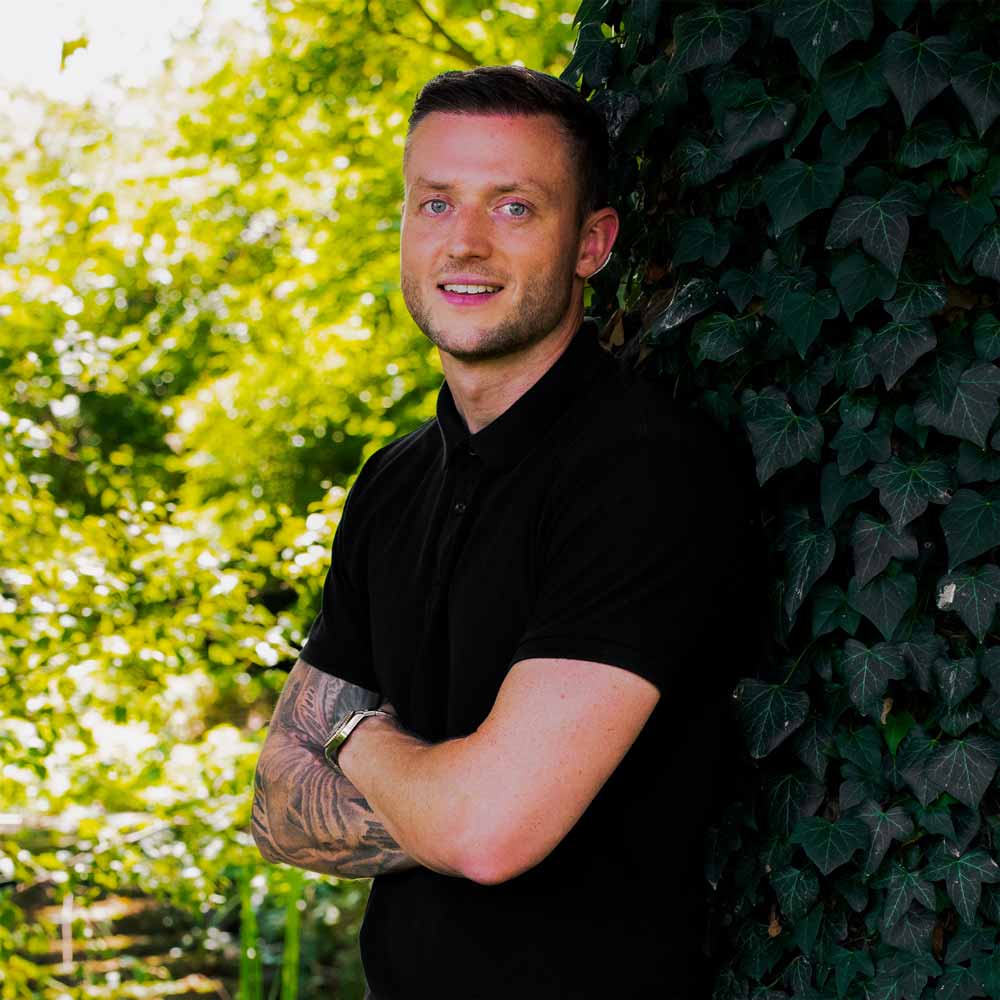
Meet The Guest - Professor Green (Stephen Manderson)
Professor Green (Stephen Manderson) is a multi-platinum recording artist, author and mental health advocate. Rising to prominence in the UK music scene in the early 2010s, he has since built a career spanning chart-topping albums, documentaries and social commentary. Beyond music, Stephen is known for his openness around men’s mental health, neurodiversity and personal growth. He is the founder of United Dads Club and continues to use his platform to encourage honest conversations around identity, resilience and wellbeing.

Meet Our Host - Andy Smith
Andy Smith is the founder of NewMed and CELLER8, and the driving force behind The PEMF Podcast. After more than a decade working at the forefront of Pulsed Electromagnetic Field (PEMF) therapy, Andy wanted to create a space that went beyond marketing, somewhere to explore the real conversations happening in wellness, longevity, and recovery. His passion for the podcast comes from years of seeing how much confusion and curiosity surrounds new technologies like PEMF. Through open, science-led discussions with researchers, athletes, and innovators, Andy aims to make complex topics accessible helping listeners understand what’s hype, what’s real, and how these tools can support a balanced approach to better health and performance.
The Audio
Prefer to tune in on the go? The PEMF Podcast is available on all major audio platforms, including Spotify, Apple Podcasts, and Google Podcasts. See all here.
The Video
Catch the full conversation with Professor Green (Stephen Manderson) over on our YouTube channel. Subscribe to The PEMF Podcast to see every new episode as it drops, along with behind-the-scenes clips and highlights.
The Transcript
Andy Smith 00:00
A quick disclaimer before we begin, the PEMF podcast does not contain any medical advice and the content provided is for informational purposes only. If you have any health concerns, please visit a healthcare professional. Welcome back to another episode of the PEMF podcast. Today, our guest is a legend in the UK music scene with tens of millions of streams across streaming platforms. Stephen Anderson, more commonly known as Professor Green. Stephen is more than just a rapper, he's a passionate mental health activist, a biohacker, and someone who's developed an interest in health and wellness. We'll cover all of this in the podcast, but welcome today. Thank you. So, something we have in common, and actually I think that's where your health story begins, where it starts from, is a condition called pyloric stenosis. So, two in a thousand babies have this. I've never met anyone else other than myself that have had this, and we've got kind of matching scars as well. So, yeah. But what's your, what's your understanding?
Professor Green (Stephen Manderson) 01:00
Did you have to have a revision? I had an upper abdominal incisional hernia, so I've got a lovely piece of mesh in there as well now, because it was like that. It looked like a duck's arse or a human arse. It really stuck to everything. My understanding of it wasn't great for a long time. What I understand it as now was something that wasn't repaired properly when I was six weeks old. The pylorus is a muscle at the bottom of the stomach which should open and close to let food pass. Mine didn't, so I was just vomiting at six weeks old. They did surgery. My sky actually came open and they couldn't operate on it again, so they had to do things quite super, not superficially, but without another operation because I was a six weeks old baby. I went through a whole life of digestive issues relating to that not being done properly, even surgery which it turns out I probably didn't need for a hernia which was likely the cause by or symptomatic because of the problem I was born with still being present despite that not being what was tended to. Then last year I had a procedure called a G-poem which was done by the most incredible gastroenterologist, that's the correct term. He was a doctor then. He still is a doctor now, but he's also a professor. Booth is saying, hi, we've since become friends. It's changed my life. I can digest food. Sounds crazy, right? I can digest food. That's literally what it's afforded me. I was told, it was weird. I spent a lot of time going to and from the doctors and I think there's multiple reasons for that. I obviously had an issue in my digestive tract which lent itself to problems and necessary investigation whenever there was something wrong because I'd been born with something and had an operation for it. But then there were things that were deemed psychological and I was diagnosed with IBS at like the age of six or something crazy. What is it? Sociophysiobio? Is that why it's a syndrome as opposed to something like that? Someone smart to me can correct that. Basically, it's multifaceted. There's lots of contributing factors. I would say IBS is a condition that is diagnosed when they don't know the reason behind a set of symptoms. Later on in my finding out I'm both ADHD and autistic. There's a lot of correlation with digestive issues with both of those things. But to give you an idea of how severe my issue was, my pylorus, when it was looked at at the time when I was given the G-poem, they grade you. A healthy pylorus would be 14 to 20. Mine was the worst that Dr. Boo Hussein Hayy had ever seen. It was a three. It was basically what I was born with.
Andy Smith 04:12
Yeah, yeah. Have you been growing up in that time at all? Like, like the same symptoms you have when your baby, like is, is that been an issue throughout your life or
Professor Green (Stephen Manderson) 04:22
I've either been on like, emodium or laxatives as well. Food was putrefying in my stomach, sulphurous burps, it's worst. And then when they'd done the surgery for the hiatus hernia, what happened was I had a knot at the top of my stomach because they had implanted a LYNX device. Because I had stage two esophageitis. Stage three is irreversible. Stage five, I think, is Barrett's esophagus cancer. I'm quite grateful for going vegan for a very short period because I believe that's what led to me finding out because it exacerbated all the symptoms. Because one of the hardest things to get nutrients from when you've got inflammation in your stomach and beyond is vegetables, especially raw ones. So I became ever more symptomatic. And I was getting this like burning, I was getting burning lips and tongue. I didn't have reflux, I did. But I didn't have the obvious signs of it. I wasn't getting heartburn. Despite my best efforts with all that, I was drinking and taking and smoking on tour. I never got reflux. But after the operation, the vomiting became so much worse because I was left with gastroparesis. So I've got a knot at the bottom of my stomach, which hasn't been tended to, which I was born with, which has apparently been resolved by the surgery. I haven't over six weeks, but it wasn't. And now I've got a knot at the top as well. And gastroparesis because they were complicated. Weirdly, the surgery went really well and I reacted to it really badly. For anyone that knows what CRP is, mine was 640. They drained four and a half liters of inflammation from my wound, my scar revision. So whether it was the mesh or it was the Lynx device that went around my esophagus or whatever it was, my body didn't like it. But I'm good now. Yeah, I know a hell of a lot about digestion and my body that I wouldn't know otherwise.
Andy Smith 06:12
And you think this centered around your health a lot while you're growing up and really the connection also that I think you were blaming everything on that too. So you mentioned that you were having neurological problems or mental problems too. Do you think, you know, because I think I was listening to another podcast and you said that the stomach issues you later found out were linked to anxiety, so it wasn't just.
Professor Green (Stephen Manderson) 06:36
Yeah but then it came full circle. And then I found out that potentially not so, you know, are you like, if you've got inflammation in your stomach, your brain will read that as anxiety, because when you're anxious, you produce more stomach acid, which arose your stomach lining, which causes the same sensation as when you, so it's like, it's so like it's a bit of a chicken and egg situation. I understand that I'm a neurological disposition. I have a neurological difference. I hate terms like neurospicy. There's no Scoville scale for my differences. Um, but like it could just, you know, like I say, ADHD and autism there with ADHD and autism, there's huge correlation with digestive issues. So that definitely plays a part in it as well. And I think it is multifaceted, so perhaps the correct term was IBS because of all those all the parts of it that impacted it, but I couldn't tell you which part was which at which part of my life, although when they found the the inflammation that was in my stomach due to everything else, I had said to my manager, my music manager as well, manager across the board. I don't have more than one at a time. I don't know what's going on. I'm getting woken up. It's always worse when I lay down and I go to sleep, fine, and it started getting earlier and earlier in the morning, so I'll be sleeping shorter and shorter, which obviously impacts your digestion negatively as well, and it would be waking me up, and I'd have to get out of bed to get rid of this feeling of anxiety. I'm like, I'm not anxious. I'm not fucking anxious, and yeah, I've got this feeling of anxiety, and that led to me getting diagnosis of what was going on. Unfortunately, I don't I don't get that now, that feeling of, you know, kind of like, is this anxiety or is it not? Because the thing is, your brain will find it, one, it will interpret that as you panicking, and two, you'll then find a home for your anxiety.
Andy Smith 08:36
Yeah, so talking about that and you've always been quite vocal about your mental struggle and that sort of thing, but also with, um, suicide.
Professor Green (Stephen Manderson) 08:45
Yeah.
Andy Smith 08:46
What was it for you, you know, it's, it's good for a lot of people to talk about that openly. Yeah. Um, was there a catalyst really for you to decide as to why you want to talk about this subject? So
Professor Green (Stephen Manderson) 08:57
I walked into it really naively. My dad took his own life. So did his brother two years before him. And so did his older brother, who was my namesake while I was born, Steven. Put himself into a diabetic coma after an argument with his partner. I didn't know any of this until my dad did what he did. Me and my dad weren't in touch, sadly when he did what he did. So I wrote a song about it. And I didn't expect that to become a hit. It was. So then I had to have a conversation about it every time I went into a radio station or spoke to a publication or whatever. And so I was constantly having this conversation. And I really sort of unknowingly naively and honestly opened the floor to the conversation around men's mental health at a time when no one spoke about any of it. And I was probably the least likely candidate to do that. Not least of all because of the bravado that's associated with rap music. My take on that is completely different because the artists that I grew up listening to and that I really favor were all very sensitive. You can't, I don't think you can be a musician and connect with people without having sensitivity. You had this bravado around it, but the people that I listened to wrote about what they felt, thought or observed. And so that was how I started making music. And by doing that, I wrote about what my father did and its impact on me somewhat. And that led to those conversations, which then led to a radio documentary with my now therapist, Dr. Aaron Ballack. And the suicide survivor, which then led to a documentary, which was meant to be the BBC, which was meant to be a broader look at male mental health and why we struggle. Obviously those reasons, there are some of the same reasons that run throughout, but there's also, you have to respect that each person's situation is unique to them. But it became, I remember they called a meeting and they're like a third of the way through, well, what would be a third of the way through shooting that documentary? And they said, the narrative that makes sense here is you looking at why your dad potentially took his own life. I kicked and screamed a bit because I was anxious. Maybe that's the wrong words. I was nervous about people seeing me cry. To be honest, showing myself at what I deemed to be my weakest, but it wasn't, it's the opposite. I do believe in wearing a mask. Everyone always talks about masks as if they're negative, like you shouldn't be showing yourself to everyone. Be vulnerable in spaces where you can afford to be, where you're safe to be, because sadly people will take advantage of that. And also I don't think you should share your problems all the time everywhere. So I believe that masks can be really useful, but create sanctuary at home. So you don't have to wear one when you get home is what's important. But yeah, sorry to, I digress. I do that a lot. No, no, no, no.
Andy Smith 12:03
How old was you when your dad took your life, if you don't mind me asking?
Professor Green (Stephen Manderson) 12:06
I was 24, he was 42 so I'm not far from the age he was and there's kind of two periods in life where men are most likely to do it and I think it's sort of 15 to 22 and then again 40 to 45, crazy that if you're a man and under 45 the thing most likely to kill you is yourself. It says there's a real disconnect from something for me. I also find it weird that the rates of suicides in modernized countries, you know third world countries are less than here which says a lot about the society we've created, this illusion of you know modern life, civilization, this being civilized. Also makes me laugh when people talk about you know the difficulties the people who aren't neurotypical suffer but they suffer them because of modern western world. If I was somewhere that wasn't modern and western it wouldn't need to be diagnosed. For the larger part of evolution it wouldn't need to be diagnosed but then I look at people who are neurotypical and I don't see many people who flourish in this wonderful society that we exist in.
Andy Smith 13:17
I mean you was you was young he was breaking into the UK rap scene that and this happened how do you think you. There with that because a lot of people that would be groundbreaking them you know it be it would be completely disrupt maybe take them off course do you think it was something that you. Able to deal with this a certain reason or try to kind of. Understand it from that time.
Professor Green (Stephen Manderson) 13:44
Yeah, I mean, I think I realized quite quickly, and whether or not I was able to really integrate this, I could say out loud and have I thought I understood it, but I realized what I'd got to a point where I understood that the only way I could ever truly understand what he was going through was if I was in that position. And I never wanted to be there. And I think the sad thing about suicide and for all the work that I've done as patron and now ambassador of calm or with the Royal Charity heads together or any of the kind of positive work that I've done to try and encourage change and shift is that you can do all of this. But the saddest thing is, it's an impulsive decision, even if it, you know, or planned in some instances, but generally you never get to catch the person at that point, because a lot of the time it will happen in absolute isolation. And that's either because it's impulsive and random, seemingly, or it's planned, and therefore, assured that there's going to be no one there. So it's really difficult. And I have no doubt that my dad thought he was taking control. I think, you know, people feel like that when they've lost all control elsewhere. And he probably had things that were unmanaged. You know, if I'm ADHD and ASD, there's a high, you know, high likelihood that he was one or both. And, you know, we know it's, you know, both the genetic. So, yeah, to think that, you know, he had gone through the life of such trauma as well from the moment he was born, he was his twin was still born. His mom walked out, he went into to care, because he was the six of six children, and his dad couldn't work and support his other five children. Yeah. And then he came out of care and her stuff continued to happen in his world. I don't like to say happen to him, because I don't like to think of things now as happening to me, things happen. But yeah, there was a lot that played into it. So
Andy Smith 15:55
You think the music helped you at that time to distract you from the noise that's around in your.
Professor Green (Stephen Manderson) 16:02
Yeah, definitely. Definitely. I realized that I should probably explain why I have to explain things within context. Like I'll have an answer, but I have to contextualize it with what I can give it to you. So forgive me if it takes me a minute to come back to the question that you actually asked. Yeah, no worries. The music definitely helped. Music allowed me to feel something that feelings have always been really overwhelming for me. Like I don't have broken empathy and I really resent the idea that anyone with ADHD or in particular ASD has broken empathy. There is a disconnect between my thoughts and my feelings because sometimes I can get the worst piece of news in the world and I'll smile. It's okay. And it's long been that way. This is since I was a kid and it's not because I'm happy. There's a lot of feeling there. Music is a place and always has been a place for me to either make sense of things. I guess it's equivalent to journaling. Otherwise, because of my approach to it, write what you think, feel or observe, that is a cornerstone of cognitive behavioral therapy. So that's no doubt provided help for me. Also the structure of although I don't put things on paper, putting things into song gets them out. So immediately you're doing something beneficial to your mental health because you're getting what's inside out and I ruminate it a lot for the larger part of my life. It's all well and good if you're daydreaming about nice things, but I would always find my way to negative cyclical thoughts and pretty miserable existence. Not being able to experience happiness without going, how worry, joy, worry, which isn't the case now. But yeah, it helped in that respect. And also it gave me freedom to express how I was feeling when I put my headphones on and I closed the door and I could turn the music up louder than my head was. So it's always been beneficial. And I think it gave me a path. It gave me something to focus on. And I was always the shy awkward kid. We had multiple personalities. Me and my family and my friends. But it gave me output. And I think the focus, the drive towards that, I would have always said having been called all these things, which is why I think labels dangerous. I wasn't shy. I think I was actually considered. And there was a lot going on internally that I didn't express unless there was a reason to. Or I saw something I disagreed with, in which case I would put my hand up immediately. Or, you know, I was probably the least likely out of my group of peers to become successful in music. Not least of all, because until I was 18, I didn't think I'd create a bone in my body, but I just kept going. I was relentless. And, you know, I didn't set a record until I was 28. And for all the things I've been scared of, I wasn't scared about that. I'm really grateful to people throughout my career. Mike Skinner signed me, showed me behind the curtain, and allowed me to understand that there was a living to be made from it, if you got it right. Lily coming on, just be good to green, which aided me getting signed. But my first record, that hit was ahead of that. And, you know, there's been, it was a wild journey. It wasn't easy, but I just kept going.
Andy Smith 19:33
And more recently, you know, like I say, you're talking about your mental struggles, that sort of thing. You've been recently diagnosed with ADHD, which you referenced quite a few times already. Do you think that's given you a bit of most relief clarification? Like, you know, that's, is that, is that changed the person you are?
Professor Green (Stephen Manderson) 19:54
I don't think it's changed the person I am. I've done the typically ADHD thing and read everything I could on it immediately or listened to audio books. I kind of, it just made, it's so, bro, like, without knowing, I knew. I didn't know what ADHD was, so I felt really ignorant. Now, all the work I've done around mental health and how do you not know what ADHD is? I don't think many people actually understand it in its entirety and what it can cause because everyone flouts this idea of it being a superpower. Well, periodically, it probably was for me and it probably did aid and drive me towards the success that I achieved. But then when I was successful, absolutely. Everything that came from that exacerbated the very worst parts of it and made my life really, really difficult. I'm really happy in hindsight. I can't go back to that and think of a time when I was genuinely or any prolonged period happy with where I was. And then there's a feeling of being ungrateful, which makes you feel guilt, which is just turmoil. But I couldn't believe how stereotypically ADHD I was. It was literally pained by numbers. Like, I don't find it hard to open letters. It's impossible. And if they go in a drawer, I think it's called object permanence. Like, it basically doesn't exist. So like parts of my life, I'm still now dealing with, like my finances, my accounts, just all sorts of things that I've let, get into a place where they never would have been had I have had better executive function or support in the areas where I didn't quite understand I needed it. When I started saying about ADHD and mental health, like how could you not know? Well, ADHD is not a mental health condition. A lot of people end up with mental health issues because they have unmanaged or undiagnosed ADHD. And as soon as I was diagnosed, I'd done the typical, oh my God, my life could have been so different. Oh, diddums, poor me, tiny violins everywhere. Moved on from that quite quickly and just wanted to understand it. And understanding it allowed me to not, it made batting a way. Like, my rumination was terrible. And I realized that my hyperactivity really didn't present or manifest, like in sort of active behaviors, if you know what I mean. Like, it wasn't physical, it was internal. And that was where a lot of the negative cyclical thinking came from in the rumination. And being able to bat that way immediately because I understood what it was, or what was at the root of it, or why I was more prone to that, immediately made things better. And I think I've been quite lucky with medication because I've not had to go through rounds of different you know, trying different medications or been relatively simple. To your question, yeah, some relief, some what could have been, but ultimately the understanding like it doesn't, ADHD is not who I am, it's just a difference in my brain and some people. I really hate this notion that, oh, everyone's got a bit of some, no. Oh, everyone's got, you know, this is ridiculous. It's like, we're still so under diagnosed. If you look at the percentage of people likely to have it, I think it's four or 5% and we're under 1%, even if you account for all the people that are on waiting lists that are waiting for five years, even longer in some cases. And like, if you catch it earlier, like this idea of, oh, well, if we diagnose people earlier, this is gonna become them. No, what you're gonna do is give them a chance at a life without all of the shit that mounts up. Because it was cumulative, like the stress from it, like 40 years being nearly killed me, genuinely. Like it led me to all the things that it leads people to avoidance and ultimately altering how I felt because there were feelings that I couldn't tolerate and I couldn't shake because I didn't understand where they were coming from or why I would attach to things, especially like, you know, I think it's called rejection sensitivity dysphoria. Like, if I had a situation in the morning, it would ruin my fucking day. Yeah, yeah. At 40 years of that, you know, it's easy to understand. Then also ADHD being dopamine seeking and us all being somewhat dopamine seeking now because of the devices we walk around with and the rewards we constantly give ourselves by way of food or, you know, sex or TV or everything combined, you know, it leads you, ADHD makes you more prone to that. You know, how many of us have been taught to regulate? Yeah, exactly. Like, to actually regulate, to sit still. Especially those of us who find that a bit harder. You know, I... Throughout my life, I'd say things periodically that I can look back on now and go, fuck, you knew. But again, couldn't integrate. So like, I would say to people, if I want to finish an old song that I've started but not finished, I have to start a new one. I need to be working on four songs at a time. And I didn't realize I was basically nicking dopamine. I, if I start a new idea, that's a flood of dopamine because I'm excited by it. And I can take that and use that to finish an old song. So I knew that I didn't know what was behind it. I knew that was how I worked, but I didn't know why that was how I worked. I didn't realize that all the starter kits for things I have at home and all the things I've stopped and been so immersed in for 12 seconds and then stopped and never gone back to was because I was essentially dopamine syndrome.
Andy Smith 25:55
While we were in Stephen's head, just before we leave, one of your more recent singles just wanted to touch on this, Happy. Is that your current flow state at the moment? Where was the motivation behind that one?
Professor Green (Stephen Manderson) 26:11
Bro, I can be in the best mood and write the saddest song and I can be like really sad and write a happiest song. I love music that encourages you to feel whatever you feel when you feel it. And I just let what comes like whatever comes up, especially now, like without getting in the way of my own thought process creatively, like I think a lot of people worry about taking medication for ADHD and nullifying or suppressing their creativity. And in my experience, it hasn't done that at all. It's just allowed me to be more prolific because all those other thoughts that would have got in the way and distracted me from doing what I wanted to are not there. I just have a set of 10 voices, it's just one. And all those 10 voices are mine, thank God. But now there's just one and it's dependent on what I want to think about. But I just ZDot sent me the beat and it just came out. It was just there and I was in my kitchen annoying the hell out of Karima, my partner and mother and my child, just singing it because I had the beat on my thing, maybe just a single headphone, but was just singing it. It's like, what are you singing? I was like, I've got a new song. How? What? How have you just walked? And that's kind of, yeah, that's how it happened. But yeah, I am happy and the character development for that was funny because I was like, what if I named my inner critic? Because that, again, is a method you can use in therapy. So as you can more easily identify with intrusive thoughts, I was like, what if I called my inner critic happy? But then after naming him, he became ever more present. And so I became more and more happy, although not so because he's the negative thoughts. It was just a play on things. But quite nice to explore and to put all like, you know, some of the stuff that I've learned into the idea behind the character.
Andy Smith 28:03
Talking about the health side of things, you kind of say a lot of the time that you're undoing a lot of the damage you did when you were in your 20s, so aren't we all?
Professor Green (Stephen Manderson) 28:14
30s, 30s you know what my 20s we're really, really quite clean and serene I had a brief period of experimentation when I was because I come from Hackney and like if you did anything other than we drew a crackhead even though a lot of people that enforced that became crackheads but like and we're doing other drugs anyway we just didn't know we were kids and we didn't know what their draw was swinging on a Saturday morning when they come back from place anyway I don't matter but yeah my 20s are pretty clean but yeah my 30s not so much
Andy Smith 28:46
And one of the things I was going to ask is, we were talking about your ADHD and that sort of thing, and living kind of like a hedonistic lifestyle back in those 20s, 30s, you were drinking a lot, experimenting drugs, all that sort of thing. On the question sheet we put, you know, do you think that your ADHD was linked to your, linked to your kind of addictions? Yeah. And you messaged me last night and was like, you know, I don't like to use that term. It's kind of more. So what did you mean by that? Where did, where was that going?
Professor Green (Stephen Manderson) 29:17
So I feel like addiction is a really dangerous term because I want to answer this properly. Why do I think it's a dangerous term? And I'm kind of challenging myself in my own head before I talk. Critical thinking is wonderful, but not if you can't get a sentence. Labels are really dangerous and I think they're given to people and understanding the power of words and, you know, especially like where repetitions concerned, if you're referred to as something enough times, especially in, you know, in your house as a kid growing up, you're quite likely to start becoming that and that can happen in, you know, an abusive relationship, you know, and you can start to present as something that you perhaps weren't and labels, you know, I think it can become someone's identity as well. There's been times when I've misused things and I didn't realize that I had the converse reaction to stimulants, you know, like all the opposite, like the stimulants would often have the opposite effect on me to what they would other people like most people don't do a stimulant and get a quiet, quiet head, you know, or go, it was just quite telling of ADHD, like I take an amphetamine in the morning and my heart rate slows and my brain's quieter and my digestion improves.
Andy Smith 30:52
The taking it is the fix.
Professor Green (Stephen Manderson) 30:53
Yeah so but like, I think when people hear fixed, they think of taking that hit, right? They don't think of it in any kind of literal sense. And if you think about the word fix, it is a fix for, because you're altering what you feel, right? So I think a lot of people find their way to drugs to either escape or to enhance. And my rule, again, something I said, but didn't integrate is like to enhance is fine, to escape is not. And there was definitely a point where it was escaping something that I was feeling that I couldn't tolerate. And I really like, there's a psycho analysis, I believe, Dr. James Hollis, who talks about angst, anger, anxiety, angina, it all come from a word that means constriction. And if there's constriction, there's going to be those things. So you know, you can avoid that feeling, can't you? And if you use a temporary fix, and what leads to addiction is it being temporary. So you keep going back to it, to alter. And I think you can, you can find your way to drugs because you're running from something. And then there's a tipping point. The needle, you know, switches over to the other half of the dial where you're not running from something anymore, or that even if, you know, that's where it began, you're now running towards something because of a dependence, whether that's physical or mental. And I think, to my point about addiction being a dangerous word, you know, I think misuse is a much easier way to explain to people that they might have quite a significant issue despite them thinking they have entire control over their use of things. Because if you do something once every three weeks, but you do do it once every three weeks, that is still habitual, right? And an addiction is a habit. Yeah, it's recurring. So like, I think that's an easier way to explain to people. And when, you know, I guess addiction is not just a dangerous word because of someone becoming it, but it's also a dangerous word because someone can go, well, my behaviors are not that of an addict. Addictions don't always look like addictions, right? So misuse is, and it's not semantics. Language is really important. I'm not just saying that because it's, you know, part of my, my job. I really care about words...
Andy Smith 33:10
But it's very normalised, isn't it? That's the thing, like...
Professor Green (Stephen Manderson) 33:11
I make Englands...
Andy Smith 33:14
It's part of the culture.
Professor Green (Stephen Manderson) 33:16
Yeah, it is. I mean, it was literally we built villages around public houses, right? They were just pubs. They were the central point. And I just, I mean, look, this is me now. I can't go back and talk to you as myself then, but I'm like, you know, I do, we just did a nice bath and sauna. That's altered our state, right? But it's an increase in dopamine beyond that, which cocaine is. Cocaine is two and a half times 250%, but it peaks after nine minutes and then there's a trough and you can never get to that peak again. Whereas an ice bath, I think now the research shows that it's up to 600% increase in dopamine, but over a period of four to six hours, which is an increase in baseline, it doesn't create a deficit. So yeah, I alter my mood, but I'm doing it in a positive way. Again, I knew that ice baths had a cryotherapy big up Maria at London Cryo. She was my introduction to it. I knew that I had a real substantial benefit for me, but I didn't realize that the benefit was beyond that of someone who is, sorry for the reference again, neurotypical. Like I knew that it made my day more even and my head a nicer place to inhabit. You know why?
Andy Smith 34:22
Yeah. So yeah, like you mentioned, you know, we did a little sauna and ice bath before this. So if we've been kind of shivering throughout this, you know, but that was a good session. You are looking at things a lot more on the healthier side of things now. You're your mindset switching. You did a podcast where it was like sobriety. Yes. And I think even then you mentioned it. I don't know. I don't want to be kind of like the sober man forever. It might not. It might happen. It might not. But was there, you know, you describe it that you enjoy sobriety, you know, it's not, it's not something to find you, but you enjoy it. Was there a point for you where you decided, Kalko, you know, I'm done.
Professor Green (Stephen Manderson) 35:06
Wednesday before wielding this last year, so I'm coming up to a year now. And the year before that, I'd done 10 months. But in a similar way to SSR rise, right? Like depression, in a lot of instances, is a result of circumstances. You take SSR rise and you can be, in my experience, of taking them, I've tried them twice, somewhat numbed, to, you know, it makes you, there's less chance of you making effort to correct what's wrong circumstantially because you could just take this and not feel the anxiety or whatever comes from, you know, the sadness or what comes from what's going on circumstantially that you're not tending to. And with, I've lost my train of thought, that's so annoying, alcohol. Yeah, with alcohol, you can do the same thing. And so I wasn't tending to things that I didn't understand. And also that I was very, very unhappy with, but didn't understand my place in. And so I stopped drinking.
Andy Smith 36:26
Hm.
Professor Green (Stephen Manderson) 36:27
You know, I didn't want it as an escape because it made things ever, you know, it's so much harder when, you know, you're taking, it's a depressant, like let's not skirt around the either. Like, let's talk about alcohol for what it is. It's a depressant. It reduces your access to your prefrontal cortex, which I don't have much access to anyway, because I'm ADHD, you know, hence impulsivity and irrational decisions. I just want to, you know, I guess the point I was making in that podcast when I said never say never was more about like, I don't want sobriety to be my identity, um, in a real place of exploration. And I love psychology and I kind of, I like this idea of like there being, well, not idea of being, but like, I'm enjoying trying to answer self as opposed to assume roles.
Andy Smith 37:23
Yeah. Yeah.
Professor Green (Stephen Manderson) 37:24
So like my dad took his own life that didn't happen to me, it happened. That's not my identity. I'm not just the son of a man who took his own life. Um, I grew up, uh, you know, what most people would consider to be a really difficult situation, you know, brought up by my grandmother, low income household, they had every low income household, um, that's also not my identity. They're things that I encountered as I grew up. I feel like I'm only actually starting to enter adulthood now because I'm, you know, I grew up, what people would say or what I would have said was in the hood, but I'm not hood. That's not my identity. You know, when people don't have purpose, they find their identity will become, you know, it used to be an area. It can be as small as your estate now, you know, like it's, I'm really like, I just want to, I just want to let go of almost everything and not in an irresponsible way, but like, who am I? What do I want to do? And what really nourishes me? Parenting really fucking nourishes me. It's hard to do that with a hangover. Yeah. Um, you're a parent. You can attest to that. Yeah. Um, and like just discovery, like what, what I was a nerd, you know, the fact that I sold drugs and had to slap people over a score, like, yeah, that grew me in a way, but in a horrible way. And it felt fucking horrible and never sat well with me. You know, there was so much in my life that gave me these intolerable feelings and I didn't listen to them. And I feel like I ignored self as most of us do during those periods of our life. And um, to reference James Hollis again, the book, the middle passage has been like one of the most important things I've ever come across because it helped me understand things that I thought and felt, but couldn't quite, couldn't quite join the dots between or, or understand. And he just articulates things in such a way that I think anyone who's mainly get ahead of it, don't wait for midlife, just get ahead of it. I think it would benefit anyone to read that book. Um, it's really helped me make sense of a lot and feel, feel more assured about letting go of things and not holding onto things as my identity. Do you know what I mean?
Andy Smith 39:45
And so I understand, I mean, do you feel like you can moderate things like even happiness because like, you know, I put UK buyer hacker on my Instagram bio, and suddenly that means I'm a boring, you know, I go to bed at eight o'clock and I, you know, I take Got to bed at eight o'clock.
Professor Green (Stephen Manderson) 40:00
Going to bed at eight o'clock is sick though bruv. Come on. Again, like let's sleep bro. Oh my God, why did I ever do things that literally made sleeping possible? What was I doing?
Andy Smith 40:12
Simple biohacks, simple things and stuff that we completely forget about now. But yeah, coming back to the labels and that sort of thing, I feel like I can still be this healthy buy hack or be this healthy person, do these things. But if I need to, I'll have a glass of tequila or whiskey or something. But I just know the consequences of it. We were talking in the sauna just then about our loop bands. And one of the most profound thing for me, for my loop band, was that it really knocked alcohol in the head for me because you see what happens to your stats the next day.
Professor Green (Stephen Manderson) 40:52
There's no hiding from it. There is no, like, you might have a, if you don't wear a Whoop, you don't see the stats, you might wake up and something great might happen, right? And then you're like, oh, well, I'm going to draw, I'm going to draw a line between that dot and that dot, because that allows me to continue this behavior. Um, I'm OCD. I like patterns. God, I've got so many letters, um, attached to me. Um, as me saying, I hate labels, but, um, again, I think that all comes back to, I think they all said that's actually something secondary in the way that my anxiety was. Um, I can moderate, um, and do I make largely, uh, good decisions. Why did I feel weird about using the word healthy there. Again, it feels absolute, and I think we can all really have quite unhealthy relationships with things, even if we're seemingly doing the good things. I still eat crisps. I can obsess over my diet to a point of becoming unhealthy. I'm just trying to really take... Although I will say, someone said to me, why are you not drinking? Why can't you moderate? I don't think that extreme is healthy. I'm like, there is literally nothing extreme when it comes to not drinking. Yeah, yeah. Nothing. Absolutely nothing. When you think about what it actually is, which people don't like to, that's pretty extreme. So, yes, I can moderate, but I choose not to... It's not like I'm worried about, if I have a drink, I'm going to... Whatever. It's actually just, I don't want to. That's why I think it's important for me to be clear on that, because people can attach themselves to where I'm at, and I wouldn't want to trigger someone if they saw me with a drink in my hand. I'm never saying never, but I don't drink at the moment. I don't want it. Do you know what I think that sentence should actually be? I don't want a drink at the moment.
Andy Smith 42:53
Makes sense, doesn't it?
Professor Green (Stephen Manderson) 42:55
Mate I can't I don't even know what it would feel I can't like obviously there was a lot of time spent drinking so I Should know what that feels like but I can't imagine what it would feel like to have that end of my system now Yeah, yeah, not that my body is a temple. I eat crisps, but you know, yeah, I can't imagine what that would feel It doesn't yeah. Yeah, not something like I it's not something I miss.
Andy Smith 43:19
No. Yeah. And that's, and that's good. And that's, that's, you know, that's the way you want to be. Yeah. So talking about all the things, you know, you've had quite a fruitful life, stabbed in the neck with a bottle. The other thing that I wanted to touch on was the car accident you had, as in you would rush between two cars, which was a freak accident when you was on tour.
Professor Green (Stephen Manderson) 43:43
Nah, I was just done a show tonight before everyone was lit around my house like sleeping on sofas or whatever after we come back from the gig and I was having two cars dropped off because we were going with even more people to the gig the next day and I've woken up to come and meet the driver who's arrived with the first car. Driver's side is in on the roadside so I've walked in between my car which was parked slightly further down the hill and his car here and I've walked in between the cars spoke to him on the driver's side I said oh do you know when the second car will be here and he said oh just a few minutes by the time I've done the paperwork for this one and gestured to the paperwork on the passenger seat I said cheers man I'm just gonna go back in get my stuff together wake everyone up and I never made it back to the pavement so I've got to like bear right in the middle of you know the space between the two cars and I've just heard boom it was a big v8 by turbo and um a seven seer gl it was huge yeah and he's uh the contract had just been given to dhl drivers and um the uh the guy had not turned the car off it was an eco and he'd never driven an eco a car with eco before so as he's taken his foot off the pedal to reach over to get the paperwork he's felt what he thought was the car start gone to slam his foot on the brake car wouldn't have moved but um he's panicked instead of slamming his foot on the brake he slammed it on the accelerator a full pelt into my back luckily I managed to lift myself up all I got caught was my left leg but that did more damage to me mentally than any almost anything else has ever happened to me way more than when I got stabbed it was so freak I just did it yeah mum and and the recovery from that as well when opioids
Andy Smith 45:32
Do you think that was, was that a catalyst for you to look down this health route, this biohacking route, or was that just a reason to accelerate things?
Professor Green (Stephen Manderson) 45:41
I definitely started to put, I mean, I lost two and a half inches off my quad just through atrophy. So I threw my clutches away at a point and stopped taking painkillers and just said to everyone, I'm going to be a dick because I'm in pain, but I'd rather be a dick than on smack.
Andy Smith 45:55
Yeah, yeah.
Professor Green (Stephen Manderson) 45:55
Synthetic smack, basically. So it, I started to take more care of my physical health because I wanted to get back to a place of that. And I was in really good nick when I, um, when that happened, like really, like for me, really, really good shape. I trained pretty consistently for two years was probably only two months off of what was going to be a mental health shoot, um, and then continued to eat like I was eating without the training. And I think I was probably the first time in my life I was ever like, apart from when I was a kid, like fat, and it was horrible, gross myself out and became really destructive.
Andy Smith 46:34
The first time I kind of reached out to you was seeing you getting up every morning, getting in your brass monkey ice bath and I think I said to you, you know, I've got something for you that she's better and you can do it in the comfort of your own home. So, and that's, that's when we, you know, we got introduced you to the CELLER8 PEMF and red light. But talk about your ice bath because you're still, you're still big advocate for that. And obviously we've just, we've just done one together. So I've done one with the season pro now. Um, did the whole experience of documentary with him off and that was that a big influence for your kind of love of ice baths or.
Professor Green (Stephen Manderson) 47:11
Yeah, and I wouldn't say love of ice baths, but love of the benefits of ice baths. Like people talk about things living in your head rent free and like my ice bath is in my head rent free. I'll go to bed some nights going, you haven't got time to do that in the morning. When have you not got three minutes in the morning? Like, and I don't even do three minutes for the most part. It's 0.1 degree for the, you know, it's horrible. It's violent. But the benefits really make it worth it. The Wim Hof thing made me lean more towards or understand the difference in benefits of an ice bath versus cryo. I still go to London cryo regularly and love it. It is one of the most incredible things you can do for mood boost. And it's consistent. Like I know I'm never going to over-reg it because it is what it is. It's three minutes minus 140, or if you're really seasoned, maybe minus 150 and you've got someone that'll let you do it. But it's quite, the difference is quite substantial.
Andy Smith 48:19
I was going to say what are your kind of main differences between those two because people will just think it's cold so you're going to get the same out now.
Professor Green (Stephen Manderson) 48:25
And water is much, I think that the mental barrier is much, you know, I, I think you build a hell of a lot more, um, what's the word, what, what's the word people always use? Uh, as far as mental strength, you build a lot more, um, resilience, resilience. Thank you. I can get a D out my head. I'm with determination. It's not that I think you build more resilience and more, sorry, that was the discipline from, um, from using cold water extracts heat at 12 times the rate of air. Hence why cryo has to be so cold, um, for the benefits, but you know, there are similarities. They both do encourage your body to pre-empt hypothermia. So your blood will rush to your organs. Um, but I never get the sort of said about it earlier that the sort of screaming toes or fingers in cryo partly because you have to cover your feet and hands because your extremities can't be exposed. Whereas in cold water, what you're doing is flushing those tiny little capillaries, which are surrounded by all of these involuntary muscles, which forced the blood out of them, um, to protect your organs from preempted hypothermia. Your body's bloody intelligent. Yeah. But you can do without an arm or leg if you really have to, but your organs are necessary if you live. So giving all the blood, I'm going to protect your organs, your body says, and, um, and then it flushes back out and it's sort of, I think isn't, isn't that isn't it then full of anti-inflammatory, something or other. I'm not explaining this as well as I should told you, not a real professor. And but it's just like, I've seen with my whoop as well on the days that I don't do it, I am, I spend more time in medium and high stress. If I do it in the morning, I don't spend as much time in medium or high stress. So therefore the impact on my body of my day is, is less kind of irrespective of what I encounter. So there is a direct benefit from me getting up and getting in that.
Andy Smith 50:25
Yeah. And I think it starts, like you said, like it literally starts from the minute you get out of bed, knowing that you're going down to the ice bath.
Professor Green (Stephen Manderson) 50:33
It's horrible.
Andy Smith 50:33
It's you know.
Professor Green (Stephen Manderson) 50:34
I'll be like. But it's kind of good right because it. You feel so if, because you don't want to get in it, you'll do things that will reward you more immediately, but have some sort of, um, delayed, uh, not gradually delayed. When you delay what when you. Oh my God, that's like when you delay reward, that's not the term I'm looking for. Is it delay gratification? It's not. I mean, it makes sense. Yeah, no, it's delay. I can't. Anyway, point being, like, we'll do things that give rewards quicker or easier generally. So I find myself doing the washing up before I get in the ice bath. But then also, if I haven't done the washing up before I do the ice bath, I feel more encouraged to do the washing up after because I've got so much dough for me in that I become better at performing tasks. It's just wicked. There's such... I just think there's such pronounced benefit, especially if you're pure ADHD, because your dopamine's seeking. But if your blood's flooded with dopamine, guess what, you're not going to, you know, you're not going to be as vulnerable to poor choices that would give you a dopamine that isn't considered a baseline.
Andy Smith 51:55
So to coming away from the cold, into the warm, into the house, or the sauna, got a sauna as well. Let's talk about PEMF red light. What are your kind of key takeaways, what are your benefits that you get from using that? Because you use it quite frequently. You're posting about it when you're on it, and then obviously you've got one of our CELLER8 systems. What do you get from that?
Professor Green (Stephen Manderson) 52:20
I'm, I'm pretty sure that there's correlation between improved digestion and being able to do a solid shit and using PEMF. And I'm being really frank.
Andy Smith 52:34
And I mean, like you say...
Professor Green (Stephen Manderson) 52:35
But that area for me has been a mess for the larger part of my life.
Andy Smith 52:39
It's your main concern, your main health problem.
Professor Green (Stephen Manderson) 52:41
Yeah, and I think for a lot of people because you know stress if especially perceived stress right perspective is important when it comes to Stress because if you perceive stress to be something that would impact you is it does You know so strength in mind is really important because if you just take stress as something you're going to encounter and you know You can develop resilience enough so that you can stop the physiological impacts of stress up to a point. Yeah, and But I know it's really and have no is Sustained and continued apart from periods when I haven't used it and actually Benefits from from the PEMF. Yeah, and again, you're you're still right. You can't go anywhere There's a benefit from that for me. I find that hard sometimes But I do and I always come off feeling more relaxed We we we've stupidly started having a conversation before having this conversation about placebo, right? Yeah, and you said, you know people have asked if it's placebo and you made the very valid point Well, even if it were if doing it gives you the idea that it's doing something good and you're seeing a benefit from it But yeah, that's it. It's actually doing good. Yeah, and we know that because of science. This is not yeah, that's it.
Andy Smith 53:53
I mean, like we said, when we were walking up here, it is literally like that. We get a lot of people that PEMF, you can't feel, we can't see it. You can't, it's not like getting in a cold.
Professor Green (Stephen Manderson) 54:02
I have to put my ear in it and make sure I can hear it. Yeah, make sure it's clicking it's weird.
Andy Smith 54:05
Yes. Because you need, you need that understanding that something's happening. Yeah. Uh, we put a little, we've got a little magnet now that you put on it to understand like what's going on. You've got this magnetic field around you, but you know, people, we do these trials two, three weeks, and then they'll say to me, um, you know, whatever I'm doing it for is getting better. And I'm like, great. Okay. So we've made progress.
Professor Green (Stephen Manderson) 54:27
What do people come to you. Like CELLER8 for like what do they come to your for the PEMF?
Andy Smith 54:33
It's a very wide, like very wide amount of things because we always say that we're treating people on cellular level. So it is literally treating cells. It's rebalancing cells, helps them separate, carries more oxygen around the body, all these different things. And all it's doing is making your body more effective. So it must be good before an ice bath, right? To be honest, it's good before most of them. So ice baths, sauna, especially hyperbaric, because obviously then you're separating your cells, you're going in an oxygen rich environment. We always say, if you want to get more out of those modalities, more out of the ice bath, more out of the hyperbaric oxygen chamber, PEMF before, treat your cells, you put your cells into a great state where they're going to heal themselves. And then you put yourself into these situations with hot, cold.
Professor Green (Stephen Manderson) 55:22
Red light works like I mean, on the recovery side, it would probably be good after a sauna, but it would be better if you hydrated, right?
Andy Smith 55:29
Yeah, red light's super good for like ATP production and that sort of thing. So for energy production and, um, the ladies like to hear it's great for your skin health. So, you know, it's like anti-aging. I'm not a lady. I want it to be good for my skin health as well. Exactly. I mean, that's kind of good and kind of sad that a lot of the time that's what people come to the rust for the red light devices. It's always like, well, would this make me look like I'm in my twenties again? Well, you know, but yeah, it's got, it's got great effects for, for skin health and that sort of thing, but it's not the only benefit of red light. And that's, that's where, you know, the education of red light now is, is, is coming to, coming to the surface.
Professor Green (Stephen Manderson) 56:06
I think it's great because if someone comes to you for skin health, they're just going to get the other benefits along with all these other things. They're just going to come along with it. And it's what I say about the eyes is like, everyone's got a reason for finding their way there. And whatever that is, you also get the, you know, the other long list of benefits that come from it, too. You can't avoid them. You don't just get the one you're looking for. You get everything that comes with it.
Andy Smith 56:27
Yeah, exactly. So, and I mean, you were taking your pimp mat with you on holiday as well, weren't you, when you first had it. So you just messaged me, you know, can I take this abroad with me? You can use it.
Professor Green (Stephen Manderson) 56:36
I did get a question on the airplane, cause I saw your photo and it reminded me of my experience and looked like I've got a flashing device counting down strapped to my chest. On a plane. Yeah. And she called, what is that? It's PEMF. She's like, what's that? It was a lady working on the plane at the air hostess. And I explained, she's like, I've never seen that before. There was a slight concern, which I managed to bring her back down. I kind of get it now. I didn't think about how strange that might look. Okay.
Andy Smith 57:05
No no and you know that tells me that it's something that's in your routine now and it's something you miss when when you haven't got it yeah.
Professor Green (Stephen Manderson) 57:12
And like most things, where the benefits of cumulative or consistent tolerance doesn't reduce the benefit you get from something, like you generally start to notice it when you don't do it. If I don't ice bath, today has been a little bit, I've been a bit more susceptible to the things I've encountered. And much work as I do on my mind, I suppose, to try and you know, retain control over how things enter my world. And before I put anything back out, you know, when you're tired, that's really difficult. And there's never a day and that's how I've overdone it. Nice bath can quite quickly take away more than it gives you. If you spend too long in it as you be, I believe that there's not a day that it doesn't, doesn't aid. Yeah. So if I don't do it, and then I don't do it for a period, I really start to it's hard to be consistent. I'm me. Yeah.
Andy Smith 58:12
Yeah, so we talk about his biohacks, you know, and we were talking about his before and I did overdo on an ice bath and I did get hypothermia and I couldn't speak of my lips were chattering for hours after. So there is an element of being careful in these things and respecting them.
Professor Green (Stephen Manderson) 58:29
Yeah, respect is key man like and I think that's the same with plant medicines as well like don't use them recreationally it's weird like people talk about microdosing am I that's doesn't that feed into addiction you're doing something like a little bit of something every day
Andy Smith 58:44
Mushrooms are kind of biohacker safe aren't they like yeah exactly you know they grow from the earth there so you know I can they're approved that biohacker approved.
Professor Green (Stephen Manderson) 58:57
I mean, look, they encourage neuroplasticity, so there are benefits, but I think people like Clark and Wellhealth who are sort of at the forefront of leading the research around using them in a clinical setting and doing so with the necessary therapy for them to really have benefit for people are really important because a lot of people, because it doesn't do the work for you, but creating neuroplasticity allows you to unwire some of that which is hard wired, which is really important for people who have the depression that they've been unable to improve in any other way. So I think, you know, the people that are at the forefront of research are really important and we need to change legislation. I was actually talking to the CEO of Campaign Against Living Miserably Calm about this because of the benefits that it could have and the reduction in amounts of SSRIs needing to be prescribed, which, you know, they ruin your gut lining that has a very negative impact on your brain, which it's trying to benefit. These things are now, it's also thought that depression isn't even a serotonin related condition. So again, all you've been doing is suppressing something, you know, your ability to feel something as opposed to actually dealing with it. So I think, yeah, my segue into mushrooms has led us to another conversation, but I think it's important that those things are studied and used properly in a clinical setting.
Andy Smith 01:00:35
Suppose these biohacks are working for you on that because we talked in the sauna and you were saying about your heart health and things that you can measure now so yeah. You know there's a worry for you because it's history in your family of conditions
Professor Green (Stephen Manderson) 01:00:48
And diabetes yeah. And I'm not a risk of either. I went to neko health, which is incredible. It's like stepping into the future It's the most unbelievable setting The slippers are made by Jordan by the way, which is mental you get the dressing gown Which is basically the same as the wall color, which is made by hey, which is branded do incredible pyjamas I love a pyjamas by the way something you might not expect ever to have come out of my mouth.
Andy Smith 01:01:11
I have seen those pyjamas on your Instagram.
Professor Green (Stephen Manderson) 01:01:12
I love the pyjamas . Hay, make, great. H-A-Y, make great pyjamas if you're watching, hay? And then you go into this room where they take bloods and they go, in programs that have portrayed a future where things go through tubes to get from one place to another, it is really like stepping into the future except it's now. And it's this incredible diagnostic service that costs $299, which you couldn't get the combination of any of. You couldn't get a single part of that, probably not even the bloods for that price anywhere else. And you have a combination of a full body scan. It takes, I think, 2,104, don't quote me on that, photos in under two minutes, and it retains all of that. So every mole that you've got on your body, when you go back, if you go back, you should go back. I'm going back. It's got great upsell. It will identify each of those moles by location and assess the shape and color, and if there's been any significant change. It also looks at your blood pressure by four points. And they can tell your likelihood of veering into heart disease or diabetes, given your current state and way of life. And I'm not a risk of either, and I have no doubt that the ice baths help with blood sugar management. Diabetes has been a real problem in my family, like too. As has heart issues on my dad's side with the men. Touchwood, despite my best efforts, I'm actually not at risk of either. And I do, I am not a risk of either.
Andy Smith 01:02:51
It shows never too late as well, is it? Like say, you know, we burn in the candle at both ends when we're young. Um, you can, you can to a degree undo a lot of that damage and you know, you've gone as far as putting a hyperbaric oxygen chamber in your house. So yeah, but you know, like.
Professor Green (Stephen Manderson) 01:03:07
Its hard to use that consistently because it's just because of time. Yeah. Four year old as well. Yeah. Trying to find 90 minutes every other day to get into is difficult. But like...
Andy Smith 01:03:18
Have you ever put him in their chamber? Because some people, some people do put their kids.
Professor Green (Stephen Manderson) 01:03:21
For some kids, it's really, you know, there are conditions which lend themselves to needing that. No. No. And I've not had him in there with me. It would be easier to do that somewhere like where we've just been rebased, where we can literally sit and have a conversation or at human labs where they have the most incredible facilities, but not least of all, for birth, for person, hyperbaric oxygen, hard shell chamber, where you can literally sit and have a meeting while you're oxygenating, you know, you know. My oxygen environment, it's incredible. But like, I genuinely hand, like, the level of health that I have, not even my, you know, I'm not in shape at the moment, I'm only just really beginning after having the G-poing procedure just over a year ago, starting to really find my feet with training. Because previously I put myself, you know, I put myself in the bin, I wouldn't be able to do anything for two weeks. My nervous system was so fried. I'm only just, you know, with having had that surgery, managing my ADHD, people are probably watching this guy, and your ADHD is managed, still myself, I told you the medication didn't suppress anything. I'm just happier. But yeah, I'm only just finding my way back into training. So, like, my results were really good. And the only thing that I've done consistently over the last however long are the bio hacks. Yeah. And, you know, if you take the tech away from biohacking, it's just ancestral living. And I think that's just a really important point to make, because people are like, oh, that's all, you know, either beyond me, inaccessible or, you know, whatever they think of it and whatever they project onto the idea of it. Like, we were quite intuitive as humans. And I think we live in a world of distraction. And when I look at my son and just how intuitive he is for his need for water, he doesn't have to remind himself, he's just thirsty. Whereas I walk around almost constantly dehydrated, I did do for a long time. His need, you know, I mean, he's starting to fight sleep a little bit more now, but like, you know, he would just I'm tired, you know, he just he wouldn't, you know, the world has not distracted him. He's not had the things that he's really intuitive towards drilled out of him yet. And so I look at him and just think, oh, well, if we didn't exist in a society we did, how much more intuitive would we be? And how do we get back to that? Well, just start doing the basic thing, getting up early, going to bed, you know.
Andy Smith 01:05:58
That's it, you know, we were talking before this and it is literally, you know, this, this tech that we talk about PEMF, red light, ice baths, these sorts of things, it's all found in nature. It's just replicating nature. And that's, we're living in such a toxic world and we forget all these things, you know, I was saying to you, you know, I've just started doing talks and things and my takeaways are go outside, take your shoes off, look at the sun for a bit first thing in the morning.
Professor Green (Stephen Manderson) 01:06:24
I've got one for you. Tree huggers. Tree huggers. That was an offensive term. I know. It's literally grounding. It is. It is. It's reducing inflammation. Go and hug a fucking tree. It's good.
Andy Smith 01:06:35
It really is, and that's the thing.
Professor Green (Stephen Manderson) 01:06:37
How did that become, like, how have we turned these things into, like, negatives? Like, I used to see people barefoot in the park and think, fucking nutter. Fuck's wrong. And now I'm that guy. Any opportunity to, like, you know, I'll purposefully wear my Birkin socks to the park where every time a year it is without socks. So that's when I'm playing football with my son. I can just take my shoes off. Doesn't matter if it's cold. Even better.
Andy Smith 01:06:59
I've got an absolute obsession with trees as well and it's funny because you know my two little girls I've got a six-year-old and a three-year-old my six-year-old notices it more and my wife takes the piss out of me because sometimes I just want to touch a tree just just just touch it and do a bit of grounding yeah and uh I'll mention that it's a nice tree and then they'll watch me and they know that I'm gonna go over there and touch it um but it's it there's so many there's healing how it's there it is
Professor Green (Stephen Manderson) 01:07:24
What a good lessons and examples right because verbal cues are pretty much useless for kids. They're abuse if you repeat yourself after five times I think is the psychological idea behind or you know that's what's considered the beginning of abuse in psychology as far as talking to kids and giving instruction but like examples are what they learn by so that's also been a part of this journey like I can't just tell my son to be the person that I'd like him to be that's not how it works I also want him to become himself but I want to give him an example of someone who can regulate who looks after themselves um and they're not things we're taught sadly.
Andy Smith 01:08:03
That's it. We are talking now to live a certain way, do a certain thing.
Professor Green (Stephen Manderson) 01:08:09
we all breathe, right? Autonomously. It's just something that we do as long as we're alive. But none of us do it efficiently or in a way that is very help, kind of the opposite, right? A lot of us are up-regulated because we're so dysregulated, which is a nightmare. We're just walking around making things worse because we're so dysregulated. I mean, it's funny, like, whatever, like, for a long time, when I started to become more regulated and make effort to regulate, I just felt, I thought, was tired. I wasn't, I was just calm. But it felt like tiredness because most of my life has been in fight or flight. Hence why my nervous system was fried, you know? And, you know, again, great thing about, yeah, that was my normal, but the great thing about ice baths is, even properly, here, you know, you're encouraging a healthier vagal tone, at the right terminology. It works. Yeah, it just, you know, you switch into, if you do it properly, again, it's parasympathetic versus sympathetic, right? Activation of your nervous system. One is fight or flight, the other is rest and digest. Rest and digest. Or did I struggle with my whole life? Digestion. Why? Because I was in fight or flight.
Andy Smith 01:09:25
No, anyway, Stephen, we could talk for hours because, you know, this is cool. This is all resonates, but we are running out of time because we spent half of our podcast time in a sauna and an ice bath. Well, if you have a good night's sleep.
Professor Green (Stephen Manderson) 01:09:41
Well, you'll have a good night's sleep. Most of the time anyway.
Andy Smith 01:09:42
Um, so just wrapping it up, you know, you, you, you've got some new music on the way. Yes. Um, singles albums. What are we looking at? Everything, man. I'm just like.
Professor Green (Stephen Manderson) 01:09:51
So I'm just taking full advantage of the consistency I'm afforded now. I have a better grasp on my, I always call it a disposition, my neurological disposition, my brain. Now I have a better understanding as to how I'm wired and how to use that to my advantage. Just taking full advantage of being able to be consistent and trying to be ever more consistent in as many aspects of my life as I can and perhaps haven't been up until now.
Andy Smith 01:10:18
What can we expect from this stuff? Is it you now?
Professor Green (Stephen Manderson) 01:10:22
It's definitely me now. It's also me then. There's stuff that's, you know, there's an archive of music throughout the whole period. I haven't released music. And even something that goes back as far as like 2012, there's stuff that will finish. There was a chorus I wrote in 2014 called, the song was called Blue Blanket. And it was, my great-grandmother had a blue blanket that I used to run into the living room and jump underneath. She slept in our living room. And that was my safe space. And it's about rapping my son, I know him to be my son now. I didn't then. It wasn't about a son then. It was just about rapping whoever I was writing that song about or that chorus about then in a blue blanket to make them safe when the panic sets in. And I couldn't finish it until I had my son. That's finished now because, you know, it talks about him and the, you know, what went on. Yeah. It's a whole other conversation. We had a very fragile pregnancy, but luckily he was born extremely healthy and has been since. But, you know, there's songs that go back years that I'm just finishing now as well as stuff I'm starting and finishing now. Yeah. Starting and finishing. It's amazing.
Andy Smith 01:11:34
All right. Thank you. So if you want to find pro green Steven on socials, you're on, you're on Instagram. You've even got one about being a parent as well. So I have yet.
Professor Green (Stephen Manderson) 01:11:44
Yeah I do the united dads club that's a whole a whole other whole other adventure.
Andy Smith 01:11:49
Exactly so sees a right different side of you. And you've mentioned your son quite a few times in this. It's nice to see that side of you too. Yeah, it's fun. All right, good. Thanks so much. And anyone listening to this, if they can subscribe to the podcast, we can get more amazing guests like Steven on.
Professor Green (Stephen Manderson) 01:12:01
Yeah, and do and take some of it on board like have a cold shower. Just turn your car just step out your nice lovely comfortable warm shower Long enough for it to get really cold and step back in and just can handle it for 30 seconds Guarantee you feel better and let it just begin there.
Andy Smith 01:12:19
Great takeaway. Thanks for your time today, Stephen.
Professor Green (Stephen Manderson) 01:12:21
Cheers
Explore Podcast Episodes


Disclaimer
The information shared through The PEMF Podcast and this website is for educational purposes only and should not be taken as medical advice. Always consult a qualified healthcare professional regarding any health concerns or before starting new wellness practices.