
Episode 55: From Peak Fitness to a Testicular Cancer Diagnosis - Roger Snipes
By Joshua Roberts - Updated on 12th February 2026

In this episode of The PEMF Podcast, Andy sits down with Roger Snipes, internationally recognised natural bodybuilder, fitness model, actor and podcast host, to discuss performance, biohacking, and his recent stage 2 testicular cancer diagnosis.
Roger opens up about his journey from winning major natural bodybuilding titles to navigating one of the most confronting challenges of his life. We explore how he initially ignored warning signs, what happened when everything escalated, and how he approached treatment with the same analytical mindset he applies to training. The conversation dives into hormones, recovery, mindset, and why he chose to share his diagnosis publicly. We also unpack how he integrates PEMF, red light therapy and other biohacking tools alongside medical treatment.
This is a powerful discussion on masculinity, health ownership, resilience and what “optimal health” really means when life throws the unexpected at you.
Key Points
• Roger’s rise in natural bodybuilding and earning his pro card
• Why he believes genetics and individuality matter more than cookie-cutter plans
• The warning signs he ignored for nearly a year
• The emergency hospital visit that changed everything
• Blood clots, stage 2 testicular cancer and treatment decisions
• The dramatic testosterone crash during chemotherapy
• Why he refused certain medications and reduced his drug load
• Sharing his diagnosis publicly and the response from men worldwide
• How he integrates PEMF, red light and other modalities during treatment
• The mindset shift from “invincible biohacker” to resilient patient
About us
We’ve spent over a decade specialising in PEMF therapy, it’s not just part of what we do, it’s all we do. Our mission is to make PEMF accessible and understandable through honest education, transparent comparisons, and independent insights.
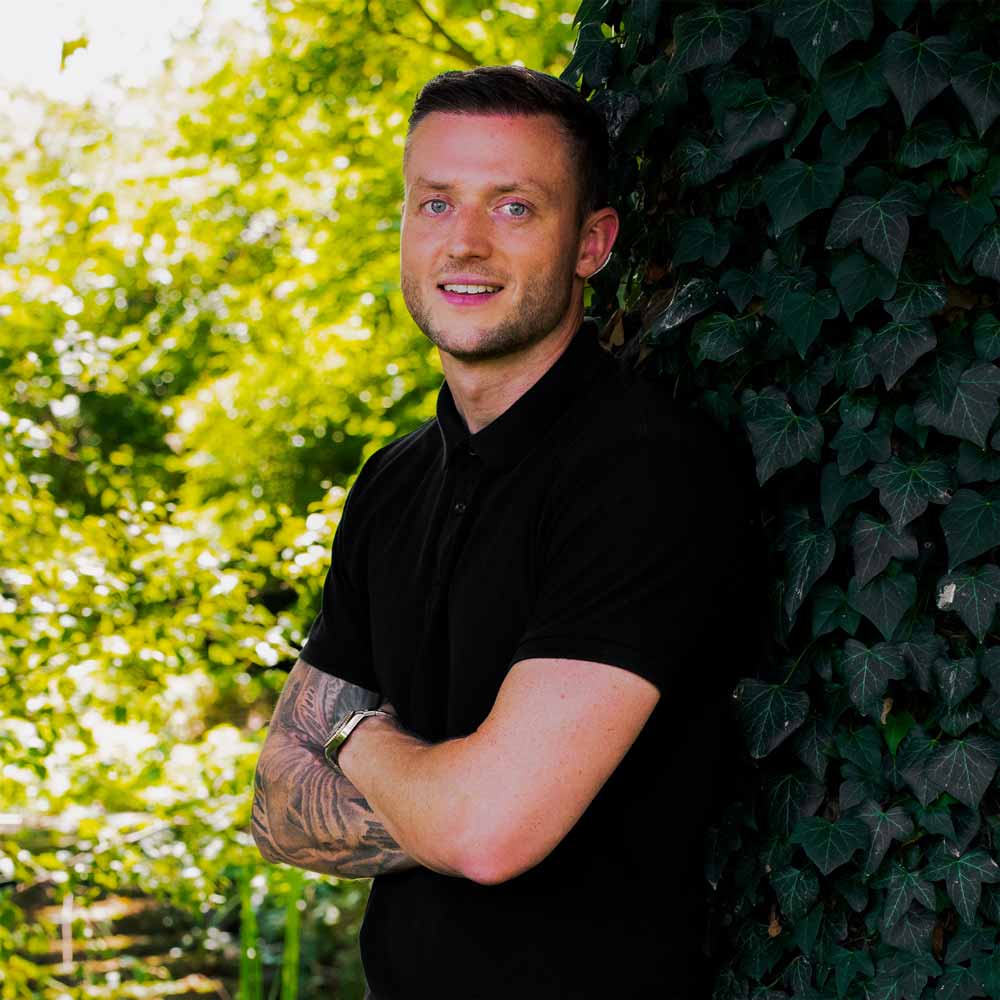
Meet The Guest - Roger Snipes
Roger Snipes is an internationally recognised natural bodybuilding champion, fitness model, actor and host of The Roger Snipes Show podcast. Over the past decade, he has built a global reputation for elite-level physique development, disciplined training philosophy and high-performance lifestyle optimisation. He has won multiple major natural bodybuilding titles including Mr. UK and Mr. Britannia, appeared on national television, and featured in film and streaming productions including Netflix projects. Today, he combines fitness, performance coaching and biohacking while using his platform to openly discuss men’s health and resilience.
Follow Roger on Instagram: https://www.instagram.com/rogersnipes/

Meet Our Host - Andy Smith
Andy Smith is the founder of NewMed and CELLER8, and the driving force behind The PEMF Podcast. After more than a decade working at the forefront of Pulsed Electromagnetic Field (PEMF) therapy, Andy wanted to create a space that went beyond marketing, somewhere to explore the real conversations happening in wellness, longevity, and recovery. His passion for the podcast comes from years of seeing how much confusion and curiosity surrounds new technologies like PEMF. Through open, science-led discussions with researchers, athletes, and innovators, Andy aims to make complex topics accessible helping listeners understand what’s hype, what’s real, and how these tools can support a balanced approach to better health and performance.
The Audio
Prefer to tune in on the go? The PEMF Podcast is available on all major audio platforms, including Spotify, Apple Podcasts, and Google Podcasts. See all here.
The Video
Catch the full conversation with Roger Snipes over on our YouTube channel. Subscribe to The PEMF Podcast to see every new episode as it drops, along with behind-the-scenes clips and highlights.
The Transcript
Andy Smith 00:00
A quick disclaimer before we begin, the PEMF podcast does not contain any medical advice and the content provided is for informational purposes only. If you have any health concerns, please visit a healthcare professional. Welcome back to the PEMF podcast. Today's guest is an internationally recognised fitness champion, fitness model, podcast host and actor Roger Snipes. He spent years building a lifestyle focused on performance, resilience and personal health, combining traditional training with alternative health practices. However, recently, Roger has faced one of the biggest challenges of his life, a diagnosis of stage 2 testicular cancer, which has had a physical and mental effect on his life. But before we get into that, for those of you who may not know you, can you just tell us a little bit about your background and your life and, you know, up until this point.
Roger Snipes 00:50
So, yeah, thanks for that introduction. By the way, Andy, that sound pretty nice. Thank you. So, yeah, my background is in fitness. So first of all, started sprinting when I was around 15 to 18 or 19 years old. And then I stopped and decided to start a family like super early. Imagine that from 19 years old. But I continued with my fitness journey in terms of bodybuilding. I was very interested in just building a physique, really, and started lifting weights. And at the age of 31, I decided to compete on the natural bodybuilding competitive stage. And that's what kind of introduced me to the fitness industry. I didn't actually know that there was a position in the fitness industry for someone who was a natural because I started following bodybuilding from the 80s. And I thought that everybody was on drugs. I initially started competing when. I opened up one of the fitness magazines, which I subscribe to, had a picture on the front cover, which showed a guy on there that I felt looked quite average. And I remember I was showing it to friends saying, do you think this guy looks better than me? And I said, no, you look way better than him. So I was like, how is it he's on the front cover and I'm not? And and my friends were like, well, that's because. You're not known. Nobody knows you. So I was like, man, how how can I get people to know who I am then? Because I look better than this guy and I should be on the front cover. So that kind of sent me on a on a on a mission, really, where I thought, OK, how can I get on the front cover? And I thought, first of all, I need to know how to pose in front of a camera. And I went for a photo shoot. And it was not until I was at the photo shoot when one of the photographers said that I should consider competing. And yeah, and then move it further forward. I discovered that there were natural bodybuilding competitions and decided to compete. My first competition was in 2010. And at the time I was 31 years old. You know, a lot of people are starting super young these days. I started, I don't know, maybe quite late. And it was called Mr. UK. And I came first in that competition. And then from there, there was like a journalist that was there writing an article about the competition and they were associated with ITV. And they wrote the article. It ended up in Fabulous magazine. And ITV invited me to go on TV and do an interview and also to do like modeling, modeling some underwear on on on national television. I was like, oh, wow, this is incredible. So, you know, after that, I was thinking this was from me just deciding to do something. You know, just it was such a. I was thinking to myself, I just decided, let me try a competition and see how it turns out. And then I end up winning. And now I'm on national TV. I should see what else I can do from this. And to also prove to myself that this isn't just luck. And I don't know another show, which is more of a smaller show, but I didn't know about shows at the time. And it was called Mr. Britannia, which doesn't exist anymore. And I end up winning that show. And one of the judges there, he said to me, look, Roger, you have a fantastic shape and you shouldn't be doing small shows like this. You should do stuff which is a bit more international. And he told me about muscle mania, which was quite big in its day. I don't know what it's doing right now. And then I competed in one of the national shows in in UK, which was in Manchester. And I won my class and I was invited to come back for the finals by the end of the year. And also, there was a sports supplement brand called PhD Nutrition that was there in the audience, like watching competitors. And they went backstage. This was actually before I I got on the stage and even won. They came to me and they said, we like your physique and we'd like to sponsor you. And I was like, oh, my God. Yeah, well, I would love to. I'd love to be sponsored, you know, considering how much I was spending on supplements. And and luckily, I end up winning the show. And they also invited me to I think was it body power? I think they probably invited me to body power. That year. Trying to remember, I think so to body power. And but because I was so excited about winning this competition and I had another competition by the end of the year, I wanted to see if there was anything else. You know, I was just buzzing for competitions. So I decided to compete in another one called Miami Pro, and I end up winning that one as well. And then I competed in muscle mania by the end of the year and won that and my overall and then got a pro card. I was like, this is insane. I was like, why has it taken me so long to do something like this? You know, I always, you know, always trained for myself. And I never really considered like showing it off to others. I just saw my body is like a like, I don't know, like a what's the what's the word? Like a project to see how fit I can become just for me not to show anyone else. And yeah, it's been pretty successful. It can go on and on. I don't want to go too much into that, but.
Andy Smith 07:12
Yeah, this is all natural as well, isn't it? You've always performed as a natural bodybuilder. Is that correct? Because I, you know, looking at your Instagram, looking at your physique and stuff, you know, I'm incredibly jealous of your physique. You know, it's, you know, very chiseled. We've spoke on, you know, over video call a number of times, but it wasn't. I haven't actually met you in person until quite recently in America when we met at the Health Optimization Summit and it took me back. You know, you're a big guy. And, well, you know, I, I claim to do biohacking, same sort of thing as you. You know, I go to the gym a couple of times a week, you know, tell me what's, what's, what's the secret sauce? You know, what, what, if you could give me a little bit of advice in terms of if I wanted to put a bit of muscle on, have you got, you know, without going too in depth into it, have you got a couple of key ingredients that I can take and, you know, put into my regime?
Roger Snipes 08:07
I think for me and a lot of the clients that I work with, it's about understanding your body, that's what I found really. There are certain cookie cutter things that can work but a lot of the time it's about understanding your genetics. Now that we have so much science we can even look into what your genetics suggests, like there's genetics tests which tell you what's your power to endurance ratio but if you don't have the funds for that and you want to keep it simple, I would suggest just enjoying yourself in the gym to be honest. I think a lot of people go to the gym with I need to have this outcome by a certain time where for me when I started I really just wanted to enjoy myself, like okay yeah I wanted to achieve a certain body but I was just fascinated by all this equipment around me. I remember like I started pretty young so when I was in the gym I was 16 years old and it was like a new playground for me. I was like wow look at all of this. These equipment right here is going to make me look like the guys in the magazine. That was what was in my head and as long as I was there I was going to achieve that physique eventually but what's happening these days is a lot of people are getting pretty desperate like I need to get this quickly and what's the fastest way to get this results.
Andy Smith 09:30
It's a Hollywood results, isn't it?
Roger Snipes 09:32
Yeah, yeah.
Andy Smith 09:33
Quick fix.
Roger Snipes 09:33
Man, man. When people are asking me how you can get this fast. I'm like, I don't know. I mean, over 30 years. But I think one of the key things to focus on is consistency and nutrition. I think consistency, nutrition and recovery. So good sleep. I think those are the fundamentals. So, you know, there's so many different exercises to, let's say, train chest. People say, what are the best exercises for chest? I'm like, all of them. You know, there's not just one. There's some days I will go to the gym and I really can't be bothered to do a variation of exercises and I'll do two. But I'll just, I'll, I'll just do a lot of it. I'll do some volume training or maybe some pause reps or drop sets or super sets. You know, I'll just mix it up and just as long as the muscle is fatigued. That's the goal.
Andy Smith 10:35
Yeah. Yeah. So it's pushing that extra thing. I'm sorry. Pushing that extra mile, isn't it? It's that last rep here a lot of people say.
Roger Snipes 10:41
Yeah, yeah, exactly. So, you know, you really want to. Cause some kind of fatigue and a lot of there's different ways of doing it. There's like drop sets until you really have no glycogen left in the muscle or you can. Just just try and go as heavy as you want. Me, personally, I do like to go heavy, so I don't really do as many repetitions unless I'm feeling weak. Yeah. So if you find yourself able to finish 10 reps, then you're going too light as far as I'm concerned. For me, I see it as try to fatigue by about maybe three or four reps. If you're aiming for six, you know, you want to be struggling by four and really trying to push to get to six. You do intend if you're doing 10 reps for me, that's cardio. Yeah, you know, that's a good tip.
Andy Smith 11:43
That's it. That's what we need to know. I've always tried putting on muscle, you know, that's always been my problem. I, you know, I'm, I'm probably into the cardio stuff. I do my CrossFit and that sort of thing. So building, building muscle for me has always been a struggle, but no, this is, that's some good tips.
Roger Snipes 11:57
Interesting thing you say that because like when I was younger and I used to sprint, I used to do a lot of circuit training. Circuit training was my main thing. So I'll be using the skipping rope, battle ropes, and like power bags, vipers, lots of crunches, all these different exercises. And I'll be going to spin class, boxer size class, aerobics, everything I was like, Yeah, I want to be super fit. But then at the same time, I was trying to grow muscle. And it's not until I spoke to bodybuilders, and they were like, stop dancing around in those sissy classes that you're doing. Do you want to build muscle? Stop that crap. So I was like, Oh, man, but I enjoy it though. I really did. You know, it felt euphoric. So slowly, I started to drop the classes and focus a bit more on the resistance training, then I noticed my body start to transform.
Andy Smith 12:46
Yeah, no, good, good. I'll try and take that on board. Just touching on it quickly, I think you did a bit of acting as well, haven't you? And correct me if I'm wrong, this could have been a dream, but I was watching Netflix, watching The Witcher. And did you appear in that?
Roger Snipes 13:02
Yeah I think I was in one episode, possibly. Yeah, I can't remember which scene it was. Was I, did I have a towel around my waist or something? That's it.
Andy Smith 13:15
Yeah. I didn't want it to be too graphic, but yeah. So, you know, that was, it was, you know, I was watching that and suddenly I was like, whoa, there's, there's Roger.
Roger Snipes 13:23
And yeah, so I've got a couple of agents and one is an acting agent. The other is more of a stunt performance type of agent. So they find me different gigs. Sometimes I might do a commercial. Sometimes it might be a small speaking role. Campaigns have done many campaigns. I've done one for what it was for. DVLA driving. Oh, OK. That was very interesting. Yeah, yeah, yeah. And yeah, some stunt roles as well. So I've been quite on quite a few projects of Guy Ritchie as well. Oh, nice. Most recently Mobland. So I mean, two episodes of that one. You're just seeing pieces of me. Well, it's funny when you're on set and you're recording for so long, you're like, yeah, I'm going to be seen. And then when it comes to editing, you just see flashes of you sometimes. You're like, oh, come on, man.
Andy Smith 14:22
Well, I'll keep an eye out for you because that's on my list. That's on my list to watch. So, yeah, good stuff. So moving forward to the present, um, you, you were recently diagnosed with cancer. Uh, so we want to talk about, talk about that and what was kind of take us back to the beginning of this process. So, you know, it's probably not the best thing for you to talk about. Probably don't enjoy talking about this, but when did you realize something wasn't quite right?
Roger Snipes 14:50
So I think when I initially had signs that something was not right, I actually ignored it. Yeah. So I ignored it. It happened. I had signs something wasn't right about a year prior to really getting some signals that something is off. So there was a few times I had a small like aching pain in my testicles. And I was like, damn. Because it was kind of similar to when. If you don't. Ejaculate for a while, sometimes it can feel sensitive. I don't I don't know the same for everyone like I was, you know, trying a bit of like, you know, semen retention and all that jazz and I was feeling heavy, you know, and it happened a few times. This feels painful. But it was like when I had ejaculated, then sometimes that went away. So I was like, oh, yeah. But this time it was like, it didn't matter if I ejaculated. It was still hurting. I was like, why is it still hurting? And then there was times I was in the shower and I did feel a small lump in my right testicle. But I chose to ignore it. Ignorantly because I was telling myself you're too much of a super human to be having issues with your body. You're a biohacker. You've been doing this for years. What you're thinking is not true. So I literally fooled myself into believing that it can't be anything serious. So I felt the lump and I was like, nah, no, no, no, I'm good. I'm good. This is just this is just the way my testicle is designed. Yeah. And you know, every time in the shower I was feeling it, I was like, man, but this doesn't feel right. So there was one day I thought to myself, you know what? Book an appointment at the doctor, just get it checked out just in case I booked an appointment and it came close to the day. And then one of my agents called me up and said, hey, Roger, we want you to film on this day. I looked at my diary and it was the same day I was supposed to go to the doctor. So I canceled the doctor, went for filming and I never rebooked that test again. I just left it. I just convinced myself, do you know what? You're fine anyway. You're all right. You're all right. And then months later, months, months, months later, it seems completely unrelated. I started to feel a pain in my lower back and it would it would just happen during the night. This pain was like pretty intense. And I thought perhaps it was my bedroom mattress. I thought maybe, you know, I've had my bedroom mattress for about 14 years now. Perhaps I need to change it. And then shortly after that, I went on holiday. And the back pain still persisted. So I thought, well, that can't be the bedroom mattress then because I'm in a different bed. And one of the nights when I was overseas, the pain got so intense. I climbed out of bed and then. I just remember just like rolling on the floor because it was so intense. I was just trying to turn my body in a way where the pain will just stop. But it did not stop. It persisted. So I was like, I need to go to hospital. I went to the hospital. A doctor done like an external exam on my back. Couldn't feel anything. I couldn't feel anything. He then asked me to lay down on my on my back on a bed and he started to press around my stomach. But I felt pain on my stomach. So I was like, that's weird. I feel the pain on my stomach, but not my back. And he suggested to do an ultrasound. And I was like, OK, then let's do it. So so we went into the room and I got scanned. And long story short, they said it looks like you have a tumor in your stomach. I was like, oh, sorry, behind your abdominal wall. And when he told me that I was like, really, a tumor? It looks like a tumor. So it might not be. I was like, this, it's impossible. I am a biohacker. That did not happen to me. You know, I did. It was like, I actually found it quite funny. I was like, wow, tumor. How can I have a tumor? That doesn't even make sense. And but when I saw the way the doctor was looking at me, I could see that he was like really serious, but still inside me, I still couldn't take it in as like a serious thing. So he said, Look, I suggest we do a CT scan. And we end up doing a CT scan. And that was when they also discovered I had blood clots in my legs. And they said, Well, this is really serious, because with blood clots, it can, you can die quickly, even more concerned about that. So they gave me some anticoagulants, which are used to thin, thin the blood and avoid clotting in the body. So it was in an injection form. And I needed to check my body every day. So I was doing that. And I said, All right, well, I'm gonna have to continue continue with the checkups when I go back to UK. So I went back to UK spoke to my GP told him the situation gave him the hospital report. And then he said, Okay, we need to do a blood test before I can give you a referral. I've done a blood test. And all the markers were super high. I can't remember all the markers on there. But it was like, Yeah, you need to go hospital when hospital and the moment they've done a scan on me, that they were more focused on the blood clots, to be honest. They're like, Okay,
Andy Smith 20:47
Because they're the more imminent danger, I suppose, to your health at that one moment.
Roger Snipes 20:52
Yeah, they were like, it looks like you have lymphoma that was the first diagnosis. So I was like, I've never even heard of lymphoma. What is that? And they said it was like cancer of the blood or something like that. And then and the lymph node and some something along those lines, I was like, cancer. This is wild. How? How? You know, and it's so interesting because most people when they hear something like this, like you always hear people breaking down and crying. But for me, I was just, I was fascinated on how that was even possible. Yeah, it doesn't even make sense. But yeah, again, they were like, but we've noticed you have blood clots and we need you to stay in hospital because it looks dangerous. It was like, well, what about the cancer? Yeah, yeah, yeah, yeah. We hear about the cancer, but you have blood clots. Yeah, yeah. I was like, okay, okay. So I spent a lot of my time in hospital while they were just giving me medication and trying to get a more deeper diagnosis or a deeper biopsy of what type of lymphoma it was. And later on throughout my stay in the hospital, they decided to do another scan, but on my testicles, because I was telling they kept asking me every day, are you feeling pain in your legs? And all the questions related to lymphoma. And I was like, No, no, no, no, no. Are you sure I got lymphoma? They said, Yeah, because your lymph node is swollen up. So you got lymphoma. And then they were like, How are you feeling, though? I'm like, Well, I'm not too bad. But my testicles, they're hurting. And then eventually, they decided to do a scan. And then once they done the scan, they saw the tumor cell in my testicle. And then from there, they summarized that the germ cell from my testicle had traveled to my lymph node in my, behind my abdominal wall, and had caused the swelling. So I was like, Right, okay. At first, I was like, because they said, Yeah, you've got a tumor cell in your testicle. And I was like, So what I've got testicular cancer, they said, Yeah. And I goes, and lymphoma. They said, Actually, no, you don't have that as well. Then they explained the situation. I was like, Okay, cool. And then from there, I was thinking, Well, I know that testicular cancer is highly treatable. So again, I was like, Right. I'm okay. It's just a case of how long is it going to take to get treated?
Andy Smith 23:45
Yeah that was one of the questions I was going to say is from the minute you hear the word cancer, you know, and it's kind of sunk in, it's kind of you processed it, what's going on in your head and what are you thinking at that stage? What, you know, were other people that are going into this exact moment, you know, you've got cancer, you hear those words. What did you feel and what, you know, was it anger, was it just disbelief or?
Roger Snipes 24:12
it was mainly that but it was and what was quite interesting was when I started to tell family members it made me question if I was worried enough because they were really worried yeah you know you know my my mum she was really she was tearing up and my mum she doesn't really call me too often I normally call her but she was phoning me so frequently I was like wow wow so it takes this for you to call me and my one of my sisters like she fell apart like she was already like looking into the future and not seeing me there I was like wow
Andy Smith 25:01
I think that's what the word cancer does to a lot of people, isn't it? I think when people hear cancer, they think death sentence, like how, the first thing they thinking is well, how long have you got left to live? Um, when, when we know these days with, you know, the medical practices we have, a lot of people call it living with cancer now it's, you know, it's, it's, it's just becoming a bit more treatable, becoming, you know, a lot of people going into remission and that sort of thing. So, and it's a mindset thing, isn't it? So, you know, being on the biohacker side, I'm hoping, you know, your kind of mindset was looking at, well, we'll just be this thing, you know, we'll just come out the other side. Is, is that what you're thinking or, or did it get pretty dark?
Roger Snipes 25:46
Yeah, I don't I don't think there wasn't any dark moments about the cancer. For me, it was more. When I had my second chemotherapy cycle, my I got a reaction in my legs and they swole up. And they swole up so big that most of my clothes I couldn't wear. So I was wearing like triple Excel pajamas a lot of the time, you know, and I wasn't really walking around. Well, I wasn't walking around because I couldn't walk. And I was in a wheelchair every time I went to the hospital. First of all, I'd have a driver pick me up from my house and I'd have to lean on the driver's shoulder as I was walking to the vehicle. And then I'd need help in the vehicle like lifting up both legs because it was really hard. And then I'd have a wheelchair pick me up from the other end when I was at the hospital and I'll be wheelchair everywhere. So when I was almost like incapacitated, I couldn't move anywhere. That was frustrating for me, you know, because you know, I'm used to moving. I love moving, you know, by my own own stuff, just like doing things for myself. I enjoy cooking. I enjoy doing things. But when I had to have people do stuff for me, I felt like I felt like a bit of a burden for others because I never requested for anyone to do anything for me. So that took getting used to people wanted to help, you know, family, friends. They wanted to help. But I was like, are you sure? Are you sure? Like, bro, you got cancer and you got blood clots. You know, I felt like I was a burden when people really wanted to help, you know. But I was actually OK, apart from the fact that it was difficult to do certain things. And I think the fact I had blood clots or the deep vein thrombosis, as well as the cancer, I felt like I felt as though it was the the blood clots that caused me more restrictions because I said, oh, can I can I go to do hyperbaric oxygen therapy? They said, no, that could be dangerous. I was like, really? It's supposed to be OK for cancer. No, it's not because of that. It's because you have blood clots. Mate, seriously. What about cryotherapy? No, why not blood clots? I said, me. Serious. And like when I was I was able to go to the gym, but I said, don't push too much because of the blood clots. I wow. Though, as you'd mentioned, you know, the whole imminent danger thing is mainly because of the deep vein thrombosis. And it wasn't really the cancer. The cancer is more of a slow killer, really. Whereas, yeah, the DVT, that's like found that could just happen straight away. But yeah, mentally, I dealt with it OK. You know, I was trying to deal with other people around me. And another thing was people wanted to call just to talk about that. Yeah, yeah. How are you feeling today? I'm good, man. I'm all right. You know, I'm just chilling. I have to relax. I just had chemo throughout a couple of days ago. Now I'm chilling. You know, can we talk about something else? How are you? You know, so I guess it was a bit of a struggle for others to not know like what to talk about. It's like, I mean, you're sick. Do you need anything? You know, and it's like it felt awkward for me because it's like I would like to talk about something else. But the moment I see someone someone's name on my phone, I'm like, all they're going to want to talk about is cancer. But yeah, yeah, yeah.
Andy Smith 29:49
What was your, if you don't mind talking about, what was your kind of treatment protocol? How, did you have any surgeries? Did you, was it just chemo or, um, you know, what have you had up until, up until now?
Roger Snipes 29:59
Mm hmm. So when I when it was first noticed that I have cancer, I think that the first thing, the first type of medication I had was the anticoagulants or the blood thinness, which was for the blood clots. So that was the first type of medication I needed to take. Um, but I was also having lots of pain in my back because of the size of the tumor, which was in my stomach. And because of that, I was given morphine to deal with the pain. And because of the morphine, morphine also can cause constipation. So they were giving me laxatives as well. Those laxatives wasn't working. So they gave me two forms of laxatives with that. I also had another type of some type of steroid tablet, but not the type that gives you muscles. Unfortunately, I was told that it could potentially atrophy the muscle. It's like, look, man, if I'm going to take steroids, I want, I want something that's going to give me muscles, you know, people, hey, I'm not naive. But no, it was it was this type was supposed to shrink the what they call mass inside my abdominal wall and work alongside the chemotherapy. I also had another medication. I can't remember the names of them. There was lots of long names. One was to reduce the amount of uric acid because I was on the chemo, my uric acid levels was going up. So I had to take this in order to bring it down. I also took two forms of anti sickness tablets. Anytime I had chemo, I was vomiting. And they said you need to have it for at least a few days until it kind of wears off. And then and then you can taper off the anti sickness. But then when you go for another cycle, you need to start taking it again. When I read up on one of them, um, one of the anti sickness was actually for it was an anti psychotic drug. But as a secondary effect, it helped people who are sick, anti psychotic drug. And it was, you know, I was feeling quite numb every day. And I was like, why am I feeling so numb? It's probably because I'm all these drugs. And I couldn't quite, you know, you can't put your finger on what is causing you to feel so numb because you're taking everything like every three hours, another nurse come into your bed, hey, your medication, your medication, another one taking your your blood test, another one checking your blood pressure, another one taking your temperature. And another person coming to take your urine, because I was weighing in like some kind of container because I couldn't walk, couldn't go to the toilet. So I was weighing in the container. And if I needed to do a number two, I'd have to get like, two male nurses to just like, walk me to the toilet. It was wild, wild. Yes, at one stage, I was on quite a lot of drugs. And then it got to a point where I was like, I'm fed up with this, I don't want to be taken all of this, I want to know which ones I definitely need and which I don't, you know, and it's all optional, really. But if the risks are high, then I'm like, okay, I'll continue to take it. When the pains were stopping, I was like, look, don't want morphine, not taking anymore. And some of the nurses didn't know what medications to perhaps not offer me if I'm not taking the morphine, because if I came off the morphine, then I'm not going to have the constipation anymore. But they're still offering me laxatives every day. I was like, could you quit with the laxatives, please? I don't want to be taking that. I don't need to. So they took that off the record. And then the steroid one, eventually, they took that away. And then the uric acid one took that away. The anti sickness I had to keep on, but there was the anti psychotic one. I was like, get rid of that shit. I ain't using that. Sorry.
Andy Smith 34:21
Now you can swear. It's fine.
Roger Snipes 34:24
Yeah, it got rid of that. I think that was it in terms of the drugs. Right now, I'm just on one thing right now, and it's called epixaban, and it is an anticoagulant. So I used to have the injections, but they've moved me over to the tablet form of the anticoagulants, which is blood thinners for the blood clots in my legs.
Andy Smith 34:48
Okay cool so I was gonna say do you have like ongoing do you have like a plan going forward do you know how long you'll be on those four and anything else to do the cancer is it you know what's your current status at the moment.
Roger Snipes 35:03
Right, right. So with that, what I was told from the hematology team, who specialize in blood, is that I'll need that for at least one year. And then they'll do an assessment to see, you know, whether it's needed anymore. I think I would possibly be able to tell through how my body is feeling. At the moment, I have swollen ankles and feet. And I can feel that every day. And although my cardio levels has gone down drastically. So if I was to jog, let's say 200 yards, I will start puffing and panting. And I would have to like lean on a bench and be gasping for air. That's how it is at the moment. Yeah. So just little things like that will be a reminder. Okay, yeah, you got the blood clots going on. Yeah. Another thing which I noticed is hot flashes. I've been having that for probably about three weeks now. I didn't have it at the end of my surgery, I was feeling quite fine, to be fair, apart from the pain around it was so around my waist was where they done the incision. And that's where the surgery took place. So I was feeling it there, not even my scrotum, but like somewhere around the waistline. So that was a bit sensitive. But now the hormones itself has been affected, you know, and I think it's because, well, one testicle has been removed. And because I was on chemotherapy, so a lot of issues has been affected. And I recently went for a blood test, and I'm probably going to do a post on this. And my testosterone levels has plummeted, like, crazy. You know, I think maybe the average nanograms per deciliter is between 10 and 34. 10 is being the lower end, 34 being the high. And that works out to about 300 to 1000 nanograms. I can't remember what that stands for, between three to 1000 something. Yeah. And mine was so the lower end was 10 nanograms per deciliter. And it would be considered an emergency if it was eight, and you'd have to, you know, seek potentially like exogenous testosterone, like, you know, THT, TRT, excuse me. And mine was at 3.2. Wow. 3.2. The lowest end for them, they're like, okay, hey, it's pretty serious. Mine was 3.2. Yeah. You know, you've got some people that are taking TRT, and they're like, yeah, man, I'm taking 1000. Some are saying yeah, I'm taking 250. Mine read at 92. I think about 90 something. This is wild. And like when I was reading about all the symptoms and stuff, okay, hot flushes, it makes sense why I feel that. But he said that you will feel very weak, you probably won't be able to lift much. And I was thinking, actually, my lifting is still pretty strong. I don't know you know, I'm waking up during the night, and I'm freaking sweating, you know, and I'm hot. And there's some sometimes I've got things to do. And I'm like, Oh, what's I gonna do again? My mind just like not feeling right. And it doesn't make sense for me to drink more coffee, because I know coffee is not going to do anything. I need more testosterone. That's what I need. And another thing I noticed is my hard ones are not the same.
Andy Smith 39:16
Brian Johnson talks about this a lot doesn't he and his by hacking and you know it's actually a ironic he talked about his sons comparing his erections to his son's erections we won't get too into that but it's it's kind of Brian Johnson from from a from the US you know he's so he's jumped into the by hacking scene quite publicly and. Talks about his night time erections so yes you say you're you're not noticing him as as vivid as before.
Roger Snipes 39:44
No, no, no, it's definitely not the same, definitely not, because I remember I used to speak to friends of mine that have diabetes. Those friends, they hardly ever get any kind of night time erections or morning woods. And I'm like, that's crazy. I get it all the time.
Andy Smith 40:09
Yeah, to none of health, I think, isn't it? It's it's been it's been used as a biomarker for health now. So, but, yeah, Roger, I mean, what I find quite inspiring about all of this situation is that you very openly talk about everything that you're going through, you know, since pretty much since day one of your diagnosis, you know, I follow you on Instagram following your story. You post almost daily updates and talking about it. And, you know, as a biohacker and someone, you know, your brand is health. Your brand is fitness. You're seen as, you know, one of these superhumans. You know, this is Roger Snipes. He's not going to get sick. He's not going to get ill. Did you consider not being public about this? Because so many people could, you know, because at the end of the day, this this could ruin your brand. It could ruin your business. You know, you'll come out on the other side is firing on all cylinders. I'm sure you will. But, you know, I think it's really inspiring that you've you've been so open and been so honest from day one about this whole thing. But like I say, did you did you think about it? Like, did you think I don't want to? You know, I don't want to I don't want to ruin my, you know, my brand. How did how did that conversation go?
Roger Snipes 41:27
Well, that's really interesting you say that because, you know, when when I found myself in hospital. Well, at first I did share with the people with my audience that. You know, I've I've been I'm in hospital because I've been feeling some pains and they're, you know, running some tests. So. I felt it was important to share that because it's a part of my fitness journey. Even if it's not quite fit, the whole reason for me to set up social media in the first place was to take people on the journey that I was going through. And, you know, I think a lot of people get a bit caught up with like this idea of being an influencer. I don't even like that term, to be honest with you. Someone says to me, are you an influencer? I'm like, no, I'm not. I create content. That is a content creator. OK, I can work with that. I don't even like titles as such, to be honest with you. When people say, oh, what do you do? I'm like, well, I'll do a few things. I don't like to title myself. OK, you are this, you are that really. But like, I. I felt it was important to share. I like to share information. So if I discovered a new health protocol, which I think would be beneficial, I'm going to share it. And I remember when I first started my own podcast, I was like, well, I know lots of people involved in health. Let me do a podcast on that. Then I thought to myself, I know loads of people and fitness is not my only interest. There's many things in this world that I'm interested in. You know, so I started to interview different types of people like an activist, a person who'd been to prison for like 20 years, business coaches. And these are all interesting stuff on different levels. So I thought, why not share that? Now, my journey was, you know, everything had been about, OK, from bodybuilding to now health optimization and biohacking. And now this is the complete opposite. It's like, bro, you are sick. Yeah. I thought to myself, wow. This is very different. What am I going to tell people? Because I'm probably going to have to be here for a while. Why am I as well let people know what's going on? Because I'm not going to be posted. Yeah, I don't want people to think I'm dead. And I need people to understand what's going on. Yes, I'm a health optimizer and biohacker. But yeah, obviously, my health wasn't optimized enough. And for me, it was like, OK, this is like a different a different experience for me. Like, I've never been sick, really. But if I have, it's been so temporary. You know, even when I had the flu, it was like three days. And the same with covid. I've had covid. And I remember I was even disappointed that I only lasted three days. I was like, wait a minute. So I had to stay in my house for two years because of three days of sickness. Waste of time. You know, I was so disappointed. I was just like, OK, OK. So this has come upon me unexpected. My plan is to be a centenarian. And this is not going according to plan. Yeah, let me just share it with the world. You know, let me just share it with people. OK, guys. um recently been in hospital this and that and this and that found out i got cancer so i just thought for me it's like it's given me a grace period should people not see me post anymore they know the reason why yeah as opposed to wow he's just vanished and when i started to when i posted that and i saw a like a big response from people i was like wow i don't know anyone would be interested in that okay so i thought to myself maybe i'll just post some more updates because people were really like some people were really concerned like okay what's happening now what you know when's the procedure like what's going on how long have you got left to live we need to know we've been following you for years don't leave us like this and i'm like wow okay and um it was really interesting so i just continued to just share it with people and um it was the more i shared the more people were engaged and the more encouraged i was to share more so i didn't feel at first i wasn't too sure but i thought i needed to share something afterwards i was excited to share new updates it felt like i'm learning something totally new now you know because you know when you do training videos you've been training for so long for me it's like it's a bit boring yeah now let's talk about cancer something totally new nobody talks about this it's someone who's supposed to be the epitome of health this is like a whole bizarre thing that i'm going through and i'm just taking people through it so it's like i'm improvising as i'm going along you know so it's been a bizarrely interesting journey
Andy Smith 46:53
Yeah. And you mentioned like going through COVID, you know, swimming through COVID almost. And do you think that your health and your biohacking has kind of put you through this process a lot better than it would have been if you weren't so fit and healthy? You know, you know, the bounce back, you know, I think you've pretty much been training throughout, you know, I haven't seen you, you know, it's some of the videos you posted, you were in hospital that morning next, you know, in the afternoon, you're down the gym and stuff against the doctor's orders. So do you think that, you know, your health optimization has helped in this process?
Roger Snipes 47:28
I think it most definitely has, you know, not even all necessarily physically, but I think mentally, I think, I think once your mental state is in the right place, that's where the healing process takes place. First of all, if you're, it's like your head can tell your body what to do. It's just fascinating. There's times I'll go to the gym, and I'll say to myself, you know what, today is going to be a PB. And then because I told myself that it's like, I can't back out from that promise to myself. And then I'll do a PB. It happens over 90% of the time for me. It's like, I just have this feeling, I tell myself this is what's going to happen. And that's what it is. And then like, so when I found out I, you know, had cancer, I was like, okay, well, how long is this going to be in me for before it's gone? I've got stuff to do. I ain't got time for this. This is wasting my time here. So I didn't take it super seriously as other people have. When they're thinking, okay, like, I'm thinking about their loved ones. And it did help me to have a bigger perspective on who's important in my life. I was like, well, you know, if I'm to die, then I don't want to be wasting my time with people that are just wasting my time. People that are not really there for me, you know, but my mind has gone all over the place now. What was the question?
Andy Smith 49:04
Um, it was more about your health optimization. So, you know, has it helped you get through this process? I mean, we'll move on to a little bit about what you're doing now. Cause you know, the first time we met was you reached out to us about PEMF therapy. Um, obviously we, we, we've got a number of different PEMF devices and, um, you've got yourself a lower intensity device that you sourced from us, but we've also seen you using the PEMF it, which is the, um, pulse center devices, the high intensity stuff. So we see, we see you quite visibly on PEMF devices quite often. Um, which is, you know, which is quite cool to see. Are you, are you still using PEMF as part of your health routine and biohacking at the moment?
Roger Snipes 49:51
Yeah, yeah, yeah, yeah, I use it, I use it every day, to be honest. Every day, every day. So what did I first learn about PEMF?
Andy Smith 50:02
That was my expression, so yeah, when was, you know, if you can remember, when was, when was the first time you, you know, because PEMF isn't something that everybody knows about, you know, I think in the health optimization world. It's becoming more of the norm, but outside of that, you know, it's an uphill struggle to educate people on what PEMF therapy is. So when, when do you think you first stumbled across that those four letters and.
Roger Snipes 50:27
I think it was through one guy called Pete, Pete that owns a company called PEMFFit.
Andy Smith 50:35
Yeah, so that's the high intensity devices. So yeah, he's got quite a few professional places around the UK Where you can actually go and try out the higher intensity devices, so yeah, yeah
Roger Snipes 50:48
So, I came across him probably at one of the Health Optimization Summits, and I decided to have him on my podcast and learn a bit more about it, and I think after that I was like, wow, I need to get one for myself. He was telling me about how it healed him and all the things, all the great benefits of it, and I was thinking with the different biohacks that I do, then they can all work in unison with each other, because I have an infrared panel, I've got about three panels in my house, and I'll use, you know, I've just got one in my bedroom, I've got two in my office, and I just thought if I can use the matte with the PEMF, sorry, the PEMF matte with the red light, then that'll be amazing. You know, I'm just always visualizing myself as like being superhuman, you know, as I'm covering really well, being super strong, and when I was looking at how it works, you know, with your intracellular health, and how it can, you know, remove like any kind of amyloid plaque within the brain, and, you know, people who have things like osteoarthritis and sciatica, they can benefit from it, then it's like, you know, that people who are aiming to be superhuman, they're going to be really benefiting from it. It helps greatly with recovery, any kind of compromised tissue, if you need any, you know, quick repair, recovery, or even priming the muscle before training, relaxing the body before sleep, so when you're going into, you know, you're getting your room in a great kind of nice nighttime sleep hygiene setting, you could get your PEMF matte ready with that, you know, though it's like I can use it for any purpose, or going to the gym, I'll get her intense gym session, all right, let me just like get my body into a more chilled state now, to reduce certain inflammation, or like if I want to meditate, so there's the celery device, which I've got from you guys, which it's so great, because I've never seen a setting where it goes up to like eight, nine hours, I can't remember, I saw at least four hours on there, I'm like, okay, I'll put it on for four hours there, I don't know how long, I'm like, I will have it on as long as I need, you know, like when I'm working on my laptop, I have a grounding mat, which I typically put my foot on, but like now I've got the PEMF, I'll just wear that instead, you know.
Andy Smith 54:01
Yeah. Yeah. So you can do that at the same time. Exactly. It's good because you came in at like from the biohacking and performance enhancing kind of angle, you know, so it's like, because a lot of people that come to us for PEMF therapy, a lot of the time, even the same reason that I was introduced to PEMF therapy, because I was chronically sick at the time. Um, so it's good to see people shifting their mindset and coming for devices for health top health optimization and not necessarily using it for a specific condition, but maybe just to get that extra rep out of their workout or maybe to recover quicker and, you know, and get back into the gym and these sorts of things. So it's really good to see that, you know, and that we, we're starting to see this shift in, in people's mentalities and how they're using PEMF devices.
Roger Snipes 54:49
That's good. That's the way it should be. And I think it's really good to be used as a preventative health thing, or as opposed to, as you'd mentioned, like using it because of sickness, it's like the oxygen hyperbaric chamber, you know, lots of stage four cancer people go there and use it. And I'm like, was using it before? Probably. Yeah, man. Don't wait until you're in that situation. She'd be getting on that straight away. You know, stay fit, you know, optimize become great. Don't stay good, go great. I don't want to just be fit. Like, if people say, Oh, my God, wow, you look good. I'm like, Yeah, I might look good. But I don't feel good. I want to feel amazing. You know, you know, with the whole thing that I've been through with regards to cancer, it's affected my hormones. And I need to get that optimized. Yeah, once that's optimized, then I'll know I'll be able to do a lot more greater things. I know my sleep would be better. So my recovery is going to be better. And then I'll be able to do a lot more other things. So that's what we should be aiming for. And PEMF is definitely one of those devices that you don't need to pay to go to a center like PEMFIT where okay, these things are like high powered generators, or whatever you call it, like, and but it's quite expensive, you know, continually go into these places, if you have something in your house, you don't really need to go anywhere. You know, you could use it while you're at home while you're, you know, I can put on a belt, the PEMF belt, while I'm doing some bodyweight lunges or exercising in my garden. I mean, that's fantastic. Yeah.
Andy Smith 56:39
A lot more portable, isn't it? That's the thing now. So we always say to people, find a device that is easy to fit in with your life. So, you know, that's for me, that was a big, big part of when we designed the Celerate device was to find something that fits into your life, like you say. And, you know, I really think we've achieved that. And with with our device, I mentioned to you, I think you can use it in your sauna. You can unofficially take it into an HBAR and all these sorts of things, because it's it doesn't need to be plugged in to be used. So, yeah, it's it's key for a lot of people to use it. So, you know, the last thing we want is people spending in excess of 10,000 pound on an expensive PEMF device and never using it because it's too big, it's too bulky. It's putting time to it and all these sorts of things. So, yeah, it's good that you hear that you've been integrated into your regime quite easily.
Roger Snipes 57:29
Yeah, yeah, that's super important. And, you know, even when I'm coaching people, I try to find out I need to find out their lifestyle first, before I can introduce a training system. Because I'd be like, Oh, how often should I be training a week? And I'm like, well, how much time do you have? Yeah, people are really busy, and they don't have that much time. So we need to kind of figure it out and customize it for them. Something like this, the celery belt. Wow. You know, one of my visits to the hospital, I brought the belt with me. I'm in a waiting room, chilling, hey, put on the belt, you know, you know, I mean, I'm optimizing myself while I'm waiting. Yeah, yeah. Fantastic. That really is. And like, when you've got these things working to optimize your cells and your brain function, reducing any kind of any any fatigue that you have, and just to have your body function better. It's like, in effect, you're kind of burning unwanted fat as well, because you're just functioning better, you know, then your body up where your metabolism is working faster, you're, you're thinking clearer, you know. And yeah, what you'd mentioned about with the size of devices, there's certain things I just can't carry anywhere. But I'm like one of those that is very undedicated to it, where I would have these big devices. But not everybody's like that. Yeah. I've got something called a nano V, which helps to reduce oxidative stress, but it looks like a, I don't know, it looks like a, like a, like an old type of typewriter, like a iron steroids. It's quite big. Yeah. This, this oxygen inhalation device and it, it's massive. It's my yeah. But I am happy to have something like that, because I am dedicated to use it. And I will, I will put health first over everything. Yeah, not everybody's in that position to do that, or has that interest.
Andy Smith 59:38
And talk about some of the smaller tech that we've seen you using on one of the YouTube videos. I think you're using brain tap How do you how do you find that device? You still using that?
Roger Snipes 59:47
Yeah, I don't use it. I haven't used it for a few months now to be honest, but it is really good. It's really good. It's one of those where as I said, it really depends wherever your head is at, your body will follow. Yeah, you know, if you you've got some people who, when they talk, they're just so negative. And then it never surprises me when they say, Oh, do you know, I was sick the other day, I'm always sick. I'm like, Yeah, I know. You didn't need to tell me that I already knew before you even said, so brain tap is one of those things where it taps in your brain through different stuff. It's got, it's got like these different module different settings on there where you can select like these subliminal messages where it talks to you like you've got some affirmations that you can listen to at night whilst it plays some music, which comes in a form of two type of things. So you've got something called isochronic tones. And it's got binaural beats. And they both work in unison with each other to entrain your brain so it can focus on a particular thing. So it brings your your brain in a certain brainwave state whilst you are listening to these affirmations to train you to think a certain way. So I'm like, wow, the science in that is incredible. And it also comes with a visor as well. And on this visor, it's got these lights that hits your iris and goes through to your optic nerve and goes straight to your brain and another way to connect with your brain to do that brain entrainment. So it's got, you know, different methods in which it helps you to focus on different things. So if you want to hypnotize yourself in a certain way, yeah, you can find that in one of the modules on brain tap. If you want to have more energy, you can rev it up to a beta state or if you want to have a more deeper sleep, if you're struggling with sleep, you have insomnia, you change the setting. I remember I tested it out on my daughter. At the time, I think she was maybe six. And I was like, check this out. And I put it on her head. And she was sitting down, she was looking at it. And I swear within two minutes, her head was back. Tongue was out. I was like, wow, this thing is powerful. It really is. And it's okay to use on kids because they've got like kids settings on there as well. So if you have a child, and I don't know, let's say they misbehave a lot, you just look for the same bit. Okay, let's get sorted. Got some great
Andy Smith 01:02:46
I got a couple of little ones that could do with that, so I'll give that a try. Have you got any other buy hacks that you, you know, like your favorite buy hacks, something that you, you know, if you went, was in a desert island, you'd take with you.
Roger Snipes 01:02:59
Mm hmm. I mean, there's there's many I've got loads, but this which are just convenient and that I'll use all the time. And the PEMF and red light therapy is probably it to be honest with you. I've got some other ones, they're more fancy type of devices. And one's called Oh, kind of remembered the name of it, like neuroscience or something. It's like, it's like you put it on your ears. And it's got these nodes on the top of the headphones. And it touches your scalp. And it sends electrical pulses into the hippocampus of your brain. And it in trains your prayer in trains your brain to learn new physical tasks that you're doing. So if you're learning tennis, you can use this to train your brain or prime your brain to learn quicker. Or if you're learning like the piano, which is another physical thing, you can put that on. And again, you prime your brain. So whilst you're learning it, it's like your brain records it a lot quicker.
Andy Smith 01:04:09
Sounds like a program in The Matrix. It's on Steam, bruv. Next level is up. You can just tap it in now, yeah. Black Belt and Duke Wando. What was that?
Roger Snipes 01:04:19
black belt. Yeah, exactly. But yeah, man, it's pretty amazing. However, I don't often use that because you have to apply gel to it. And the whole priming process is not as it's not super convenient, like the other stuff we speak of. If you can make it convenient, then it's cool. So sometimes I'm by my laptop, I'll get the red light next to me, I get my foot on the PEMF, and I could just I can have my nano V, which blows out this kind of oxygen vapor in my direction. And I could just stay in one spot and be optimized from all these different things without doing much while I work, you know, the moment I have to go somewhere and go out of like it's almost out of my way, like I'm doing I'm spending my time on use specifically, then there's a chance that it's just going to get emitted out the process. So yeah, I've got other stuff as well. But I won't go into those light and PEMF. If it's going to be a desert, then I won't need the sauna. I love the sauna. I really, I feel like if I'm on a desert, and it's hot already, I don't need it. But I love I really I've been using a sauna for many years. I think from when I was 16 years old, the moment I could join one leisure center, I was using that at least two to three times a week. And since then, I've been quite consistent with the sauna. But now I have it at home. I'll use it. Yeah, at least three times, sometimes four times a week. I've been told I should only do it about three times a week for about 30 minutes. But sometimes I'm in there for an hour because it's a it's an infrared sauna. So it's not as intense. I can, it goes up to 70 degrees, but normally it maxes around 60. But with with my condition, I normally just keep it around 50. Yeah, 50 52. You know, just relax, watch a video while I'm in there.
Andy Smith 01:06:31
One little thing, just off the beaten track a little bit, we found an article and was doing some research on this podcast and it was talking, it quotes you saying that horse mints lasagna is a better option to beef. Did we find that correct? I was going to understand what your logic was behind, is horse, horse beef, well sorry, horse lasagna is something that you, is in the kitchen.
Roger Snipes 01:07:02
I you know what, I think I was working with a meat company or something. They used to send me different meats and it was like, you know, exotic type of meat. And I just thought, let me just, you know, do a post about it. But in terms of the nutritional value, I'm not too sure of the top of my head. It was just something different. And there was, you know, there was a couple of people that are like, what horse? You're eating horse. It tastes quite interesting, but I can't remember the nutritional benefits from that. I think it's supposed to have lower levels of fat and cholesterol from what I remember, definitely lower levels of fat. Maybe more iron. But this this is a long time ago. Like when was the article?
Andy Smith 01:07:58
I'm not sure. It was just an interesting one we found and I thought I'd quiz you on it either way.
Roger Snipes 01:08:06
Right, right, right. You know, I was trying different stuff. It was like ostrich had quite a bit of ostrich. Crocodile, I'm sure I had crocodile. Which I don't think I had again. I think I tried once. Um, yeah, but yeah, sorry about that.
Andy Smith 01:08:28
No, no problem. So just kind of one more question really before we before we wrap this up You've you've obviously been like coaching people and helping people through their own health journeys, you know throughout your life That's it's kind of what you've been doing a lot of lot of this. Do you think? this whole episode with cancer everything is Changing the way that you're gonna do this, you know Do you think that you're gonna move forward differently at all with with your coaching is you know? Have you learned any anything from all of this?
Roger Snipes 01:09:01
Yeah, I mean, it's it's an emotional journey for a lot of people. And, you know, throughout this whole episode, I've had a lot of people reach out to me to share their own personal stories or their own loved ones that have gone through it and how they are really inspired by what I've been sharing. So I thought to myself, well, maybe it doesn't need to stop here. You know, now that I have stepped into the arena of cancer, I can now talk of it. You know, I'm out the other end. I can speak of it. I'm now a survivor. So I qualify to talk about it. I can talk about my experience. So it's almost like when people say, yeah, I'm sick and I'm doing this. So I can't train. I'm like, actually, well, I've been very sick. This is what I done. You know, I qualify now to speak in these different things. However, I also want to spend a bit more time talking to and working with charities like Cancer Macmillan. You know, I've been in conversation with some of the the press team, the yeah, some of the management team, and they've got lots of campaign ideas and how they want to spread the word. And I'm like, I want to be a part of that. You know, I really do. You know, because a lot of people are unaware and a lot of people have these preconceived notions about cancer, as you'd mentioned earlier about it being a death wish or a death sentence rather. And with men, they're probably less likely to get checked up or talk about it. You know, when I started to share it with the world, I had guys that messaged me and told me about their own episodes. And they said, I haven't shared this with anyone. There's one guy I hadn't even shared it with my girlfriend. And I was like, wow, you know, and that's like this is like your immediate partner. This is this is the closest person with you, you know. So it's quite fascinating. So for me, it's like I do want to focus on optimal health. But at the same time, I want to also it's like my eyes are now open to those who are not in optimal health. You know, and I think sometimes these people are forgotten.
Andy Smith 01:11:31
Yeah, yeah.
Roger Snipes 01:11:32
You know, everybody wants to look good. Everyone wants to look great. But, you know, people don't really care so much about those that are really sick. Unless it's someone like in their immediate family. Yeah. And I want to be the person who. And it's kind of a weird one, really, like. I want to show. People who are in, you know, who have cancer, there's definitely a way out of it. And as long as you've got the right mindset, it makes things a lot easier. But I also want to help introduce those people into biohacking protocols. Yeah. Not just people who are fit that want to be really fit, but those who are really unfit, those are close to death. It's like, OK, let's try and bring you out of here. And yes, I've been working with Macmillan. There's some big campaigns coming out very soon. I'll be posting about it at some point, and I want I want to do more stuff like that. Still focused on, you know, optimal health and, you know, getting in good condition and stuff. But really, that's that's like that's where my heart is at right now.
Andy Smith 01:12:44
Yeah, yeah. And I think, you know, for you, it's a personal story, you're going through it. It's, you know, and I think it's really inspiring, like you say, how open you're talking about this. And, you know, before this episode, I knew the subject we're going to be talking about, you know, and the level of detail you go into as well. You know, I didn't realize we're going to be talking about your morning wood and your ejaculations either. So, you know, thanks for sharing every, you know, every inch of everything that's going on. So I didn't mean to use the word inch there either. But yeah, Roger, thanks for your time today. Where can people find you if, you know, if somebody wants to reach out for you on a fitness journey, on a cancer journey or anything, you know, where's the best place for someone to find you?
Roger Snipes 01:13:28
Well, they can find me on Instagram. I'm normally on Instagram all the time. Yeah, just shoot me a DM on Instagram. You know, if if they want to talk about coaching, they could DM me there. Or if, you know, if they want to talk about their their own personal sickness journey, if it's cancer, hey, I'll be happy to talk about it. And, you know, as I mentioned, I'm working with Macmillan now. So, you know, stories can be shared and if they're more focused on health and fitness, again, DM me or they can email me at support at UHP Fitness dot com. UHP means unlocking human potential. Those who don't know. So, you know, that's one of my key focuses, really, just helping a person being the most optimal self. Yeah, I'm also on other social media platforms, but the main place to contact me would be Instagram.
Andy Smith 01:14:26
Okay. No worries. And we'll leave the links to these, uh, to, to your Instagram below and, you know, anybody that's listening on different platforms, if you can leave us five star review, we can get more amazing guests like Roger on our, on our podcast. So yeah, thanks again, Roger for, for joining us today.
Roger Snipes 01:14:43
Hey, all good, my brother pleasure is all mine. You take care.
Explore Podcast Episodes


Disclaimer
The information shared through The PEMF Podcast and this website is for educational purposes only and should not be taken as medical advice. Always consult a qualified healthcare professional regarding any health concerns or before starting new wellness practices.